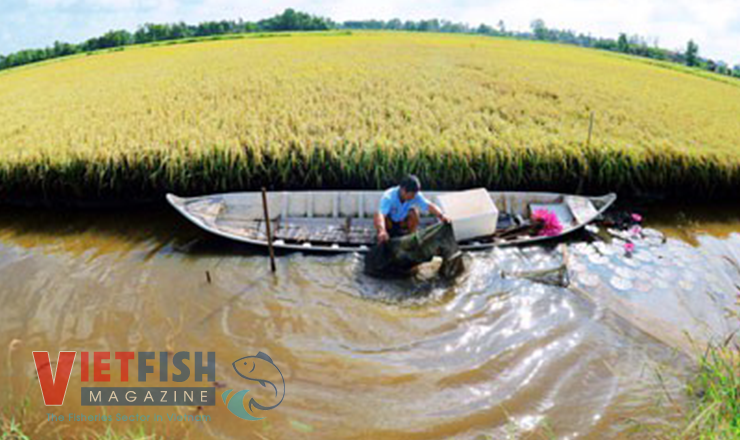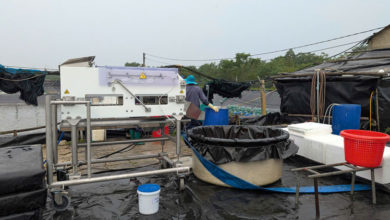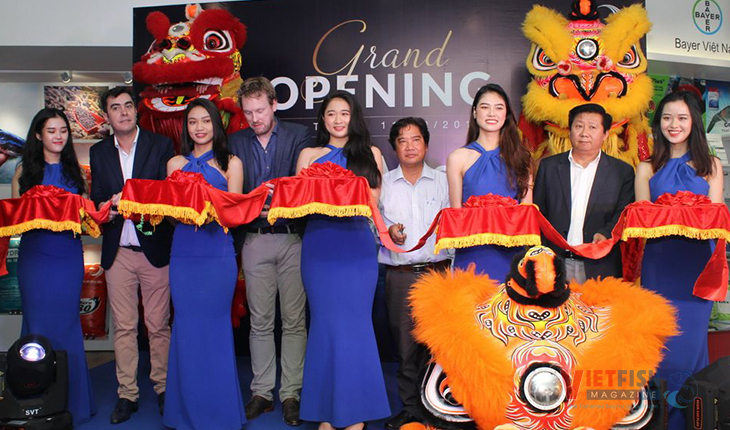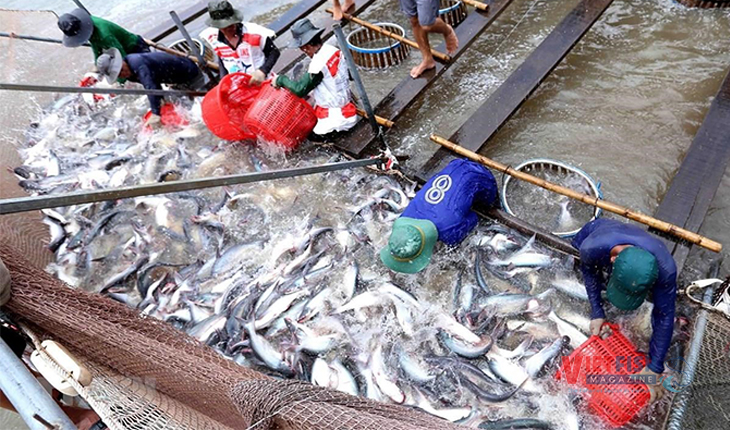

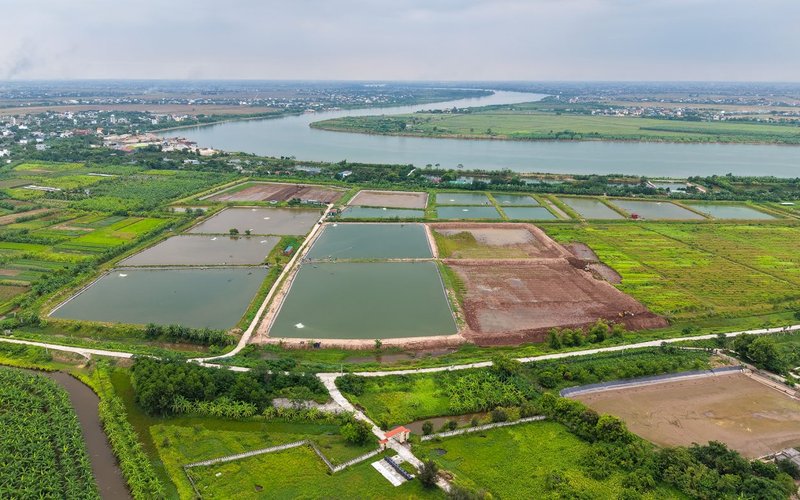
The initiative links feed, farming, processing and export under a single ecosystem aimed at improving traceability, quality control and market access for Vietnamese tilapia.
As Vietnam’s tilapia exports approach the USD 100 million mark in 2025, industry stakeholders are increasingly focused on strengthening value chain integration to address challenges related to raw material supply, product quality, traceability and market requirements.
Aquafeed manufacturer, Vietnam-Japan Nutrition Technology Joint Stock Company (Viet Nhat Group), together with BaiYang Vietnam Food Co., is developing an integrated tilapia ecosystem that connects breeding, feed, farming, processing and export activities within a coordinated supply chain.
According to the companies, the model is designed to create stronger links between producers and processors while providing farmers with technical support, production guidance and market access. At the same time, the approach aims to secure a stable and traceable supply of raw materials for export-oriented processing operations.
Farmers and cooperatives participating in the program are assessed for infrastructure, water quality, production practices and their ability to meet technical requirements.
Once integrated into the system, producers receive support on farm management, disease prevention, feed utilization, environmental management and productivity improvement. Technical teams regularly conduct training sessions, workshops and on-farm consultations to help farmers align production with export market requirements.
According to Viet Nhat Group, improving farming practices is essential for ensuring a stable supply of raw materials that meet processing and export standards.
Quality control from feed to finished product
The initiative places particular emphasis on quality management throughout the supply chain, from feed ingredients and aquaculture production to processing and final products.
Viet Nhat highlighted that its aquafeed manufacturing facility has achieved Best Aquaculture Practices (BAP) certification, which includes requirements related to quality management, food safety, traceability, social responsibility and environmental stewardship.
The company also noted that feed used within the tilapia supply chain incorporates sustainably sourced U.S. soybeans certified under the Sustainable Soy Assurance Protocol (SSAP), supporting traceability and responsible sourcing objectives.
According to the company, combining internationally recognized certification systems with verified raw materials helps move the tilapia sector toward a more transparent and sustainable production model.
Processing investment to strengthen market access
A key component of the initiative is the construction of a new tilapia processing facility by Viet Nhat Group and BaiYang Group. The plant, located in Tien Hai Industrial Park, is being developed with a total investment of VND 1 trillion and will have an initial processing capacity of 150 metric tons per day. The companies expect the facility to serve as a central hub linking farming areas with export markets, particularly in Europe and the United States.
Tran Trung Kien, Chairman and CEO of Viet Nhat Group, said the development of Vietnam’s tilapia sector requires a long-term strategy involving farmers, businesses, technical partners and markets working together.
“Our goal is to build a synchronized, transparent and sustainable tilapia value chain, from broodstock and feed to farming, processing and export,” Kien said. “Each link in the chain needs to be standardized to deliver consistent quality and meet international market requirements.”
As global seafood buyers increasingly demand traceability, sustainability and consistent quality, integrated supply chain models are expected to play a growing role in supporting the competitiveness of Vietnamese tilapia in export markets.