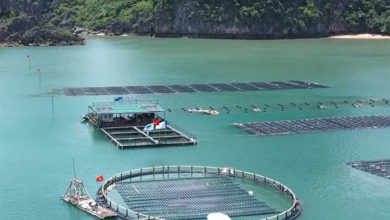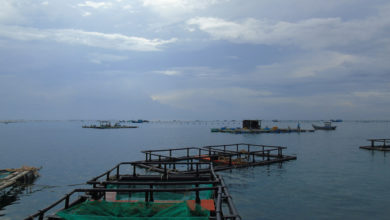

The introduction of HDPE cage systems and modern farming practices has delivered early gains in survival rates, farmer incomes and environmental resilience, supporting Vietnam’s shift towards more sustainable offshore aquaculture.
A high-tech offshore aquaculture pilot supported by Vingroup’s Thien Tam Fund has recorded promising early results in Khanh Hoa province, according to local authorities and project partners.
On 20 January, the Thien Tam Fund, in cooperation with the Khanh Hoa Agricultural Extension Centre, convened a review conference to assess outcomes and discuss the potential expansion of the pilot model.
The programme has supported 70 households across four designated offshore aquaculture zones, providing HDPE cage systems alongside improved technical protocols covering fingerling management, feed use, water quality monitoring and disease prevention.
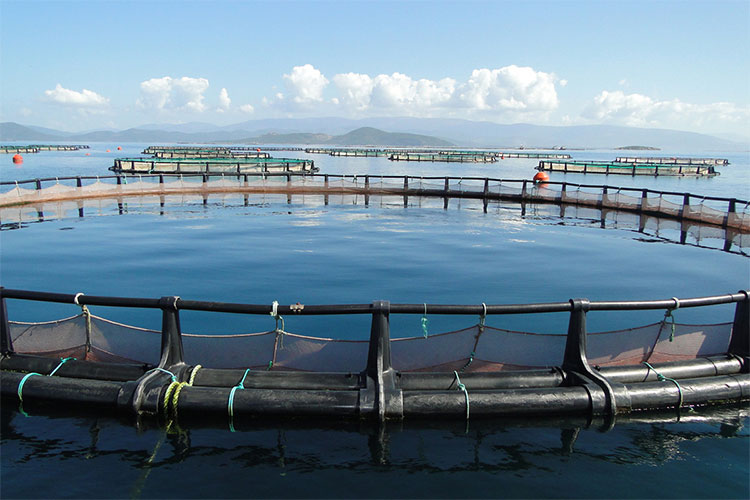
After six months of production, participating farms reported an average survival rate of 53.5 percent, with average profits exceeding VND 53 million per household. Improved growth performance and product quality were also recorded compared with traditional nearshore farming methods.
In addition to economic benefits, the use of modern offshore systems has helped reduce production costs, limit environmental impacts and improve farmers’ capacity to cope with increasingly volatile weather conditions at sea.
Provincial authorities have assessed the model as well aligned with Khanh Hoa’s strategy for sustainable marine economic development, supporting a gradual transition from traditional coastal farming towards more efficient and resilient offshore aquaculture.
Farmers involved in the pilot shared practical lessons and challenges during the review meeting, highlighting the need for continued improvements in fingerling quality, feed supply security, market access and offshore farming infrastructure.
Vo Van Cong, deputy director of Khanh Hoa’s Department of Agriculture and Environment, said the model demonstrated how technology adoption could drive both economic efficiency and structural change in the sector, encouraging a shift towards larger-scale, market-oriented production linked more closely to aquaculture value chains.
The provincial agriculture sector has committed to working with partners to scale up the model, while supporting farmers with access to finance, technical assistance, market connections and brand development for offshore-farmed seafood.
VFM