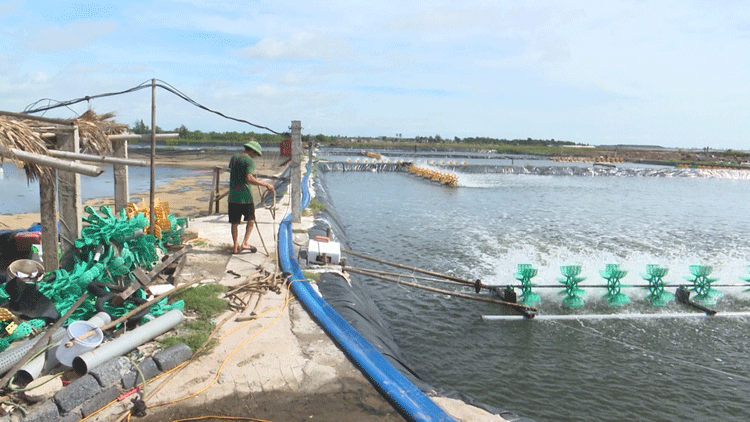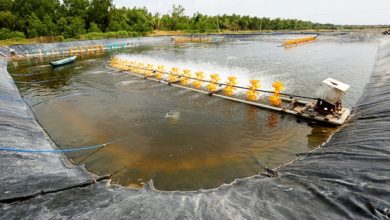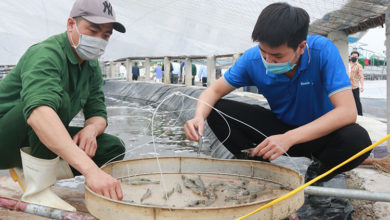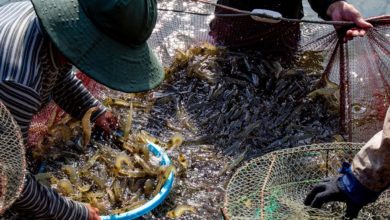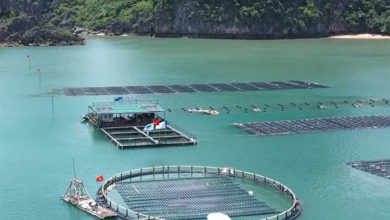

Vietnam’s shrimp farming sector recorded steady growth in the first eight months of 2025, with total production reaching an estimated 801,200 metric tons, up 6.2% year-on-year, according to the Directorate of Fisheries and Fisheries Surveillance.
The country farmed nearly 711,000 hectares of brackish water shrimp, equivalent to 99.2% of the annual plan. Black tiger shrimp accounted for 604,500 hectares (100.18%), while whiteleg shrimp covered 106,500 hectares (93.9%). Output included 184,100 tons of black tiger shrimp, a 3.5% increase, and 617,100 tons of whiteleg shrimp, up 7% compared to the same period last year.
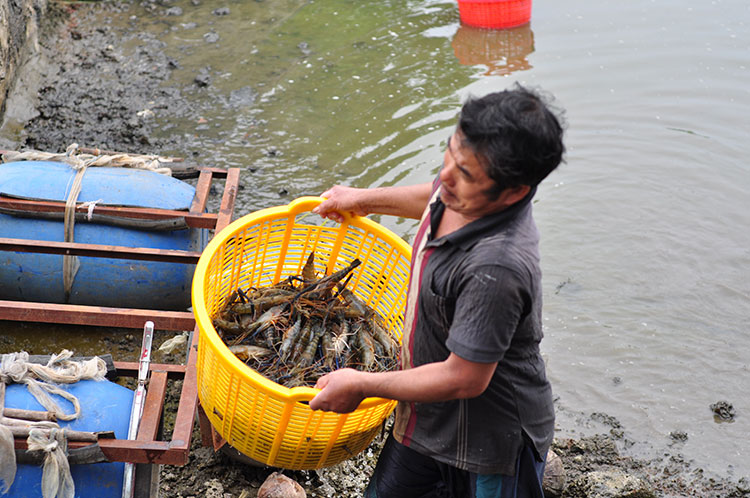
Although growth has been moderate, the increase highlights the sector’s resilience amid ongoing challenges. Shrimp diseases remain a major concern, with outbreaks of white spot disease, acute hepatopancreatic necrosis disease (AHPND), Enterocytozoon hepatopenaei (EHP), and white feces syndrome reported in several farming regions.
Experts warn that climate change continues to exacerbate disease risks by creating unstable pond environments. Many farms also face difficulties controlling the quality of seed, feed, and probiotics. Farmers report more cases of intestinal diseases and EHP this year, leading to slower shrimp growth, extended culture periods, and higher production costs.
Beyond production issues, the shrimp industry is also under pressure in export markets, particularly from the United States, where tariff barriers pose additional challenges. Authorities have called for stronger efforts during the remaining months of the year to meet output and export targets.
To stabilize production, the Directorate of Fisheries has urged local governments to intensify disease surveillance, strengthen management of seed and feed quality, and enhance environmental monitoring. The agency also recommends wider application of advanced farming technologies, digital tools, and circular, eco-friendly production models.
As the Mekong Delta enters the rainy and storm season, provincial fisheries departments have been instructed to closely track water quality, issue early warnings, and guide farmers on preventive and adaptive measures to safeguard this year’s harvest.
VFM