
Vietnam’s Cam Ranh bay cracks down on illegal fish farming
Authorities in Vietnam’s Cam Ranh Bay are clearing unregulated fish cages and relocating farmers to designated areas in a bid to restore order and protect the environment, officials said on Friday.

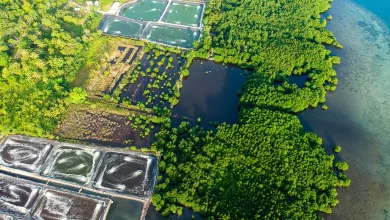
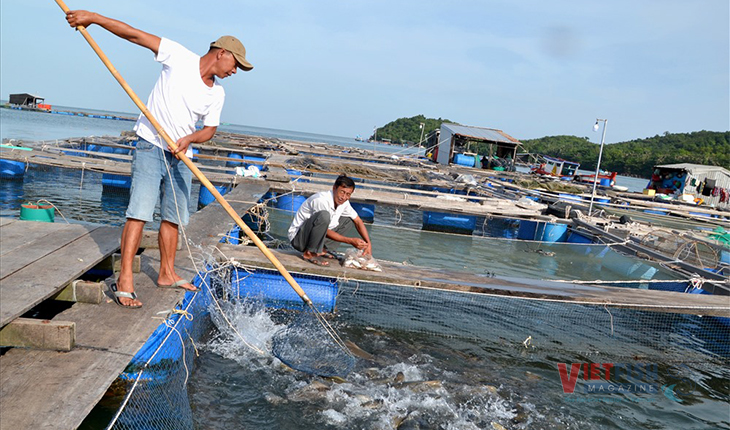
Cam Ranh Bay in Vietnam’s south-central Khanh Hoa province is undergoing a sweeping cleanup of unregulated aquaculture, with local authorities dismantling floating cages in restricted waters and pushing farmers to adopt more sustainable practices.
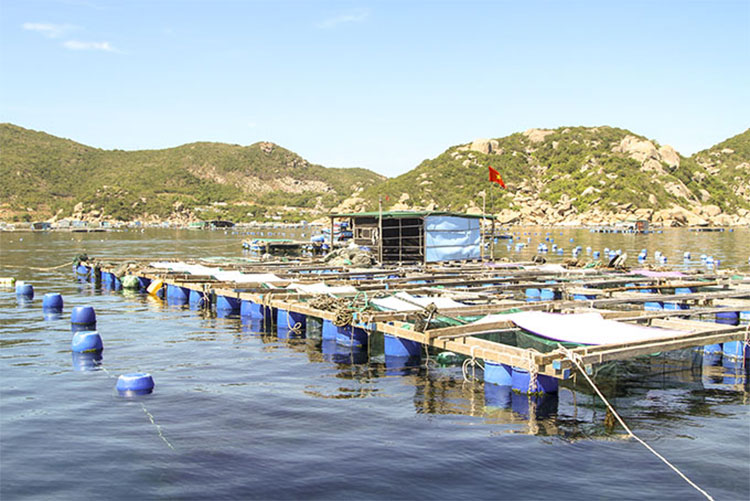
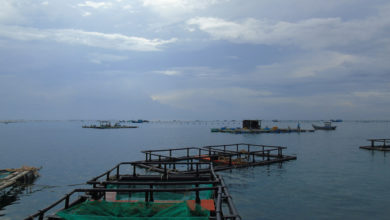
For years, the bay was overwhelmed by unplanned fish farming, at times hosting as many as 100,000 submerged and floating cages, according to official statistics. The proliferation of cages not only encroached on shipping lanes and maritime infrastructure but also spread into prohibited zones, disrupting the bay’s ecosystem and sparking conflicts with other economic activities.
Authorities have stepped up patrols and inspections, urging households to remove their cages from restricted areas. Violations have fallen sharply, but as of mid-July 2025, 89 aquaculture households and five floating house operators remained in breach of the rules, officials said.
“The remaining households need to urgently relocate their cages to designated farming areas,” said Le Dinh Khiem, head of the provincial Fisheries, Seas and Islands Sub-Department.
Under the new roadmap, inter-agency task forces will continue inspections to resolve outstanding violations. The Department of Agriculture and Environment has directed commune and ward governments along the bay to take decisive action and relocate farmers to Nam Cam Ranh, a 884-hectare marine zone approved for aquaculture.
At the same time, the province is drafting new regulations that will set technical standards for cage farming, covering infrastructure, seed, feed, use of medicines and chemicals, waste treatment and zoning. The rules will require cages to be made of modern materials such as HDPE or FRP, designed to withstand wind levels of 6-7 and waves up to four meters.
The transition will be phased in: 10% of existing cages are to be replaced with modern ones by the end of 2025, 50% by 2027, and full conversion by 2029.
Khiem stressed that local authorities must urgently develop relocation plans, enforce strict oversight and prevent new cases of illegal farming. “These measures are essential to restore order, safeguard the environment and ensure the sustainable development of Cam Ranh Bay,” he said.
VFM