
Gia Lai province is stepping up measures to protect marine mammals and promote more sustainable fishing practices as Vietnam seeks to comply with U.S. trade requirements under the Marine Mammal Protection Act (MMPA), provincial authorities said.
Officials said protecting marine mammals such as whales, dolphins and dugongs is critical not only for biodiversity conservation but also for safeguarding fishermen’s livelihoods and maintaining access to key export markets, including the United States.
The provincial Department of Agriculture and Environment said it has worked with coastal authorities to strengthen monitoring, awareness campaigns and enforcement, focusing on fishing practices that could lead to accidental harm to protected species.
In 2025, the province increased guidance for fishermen on recording sightings of marine mammals and responding safely to accidental encounters at sea. Authorities also conducted a review of fishing vessels operating in gear categories considered high risk under the MMPA, laying the groundwork for a transition plan towards more environmentally friendly practices.
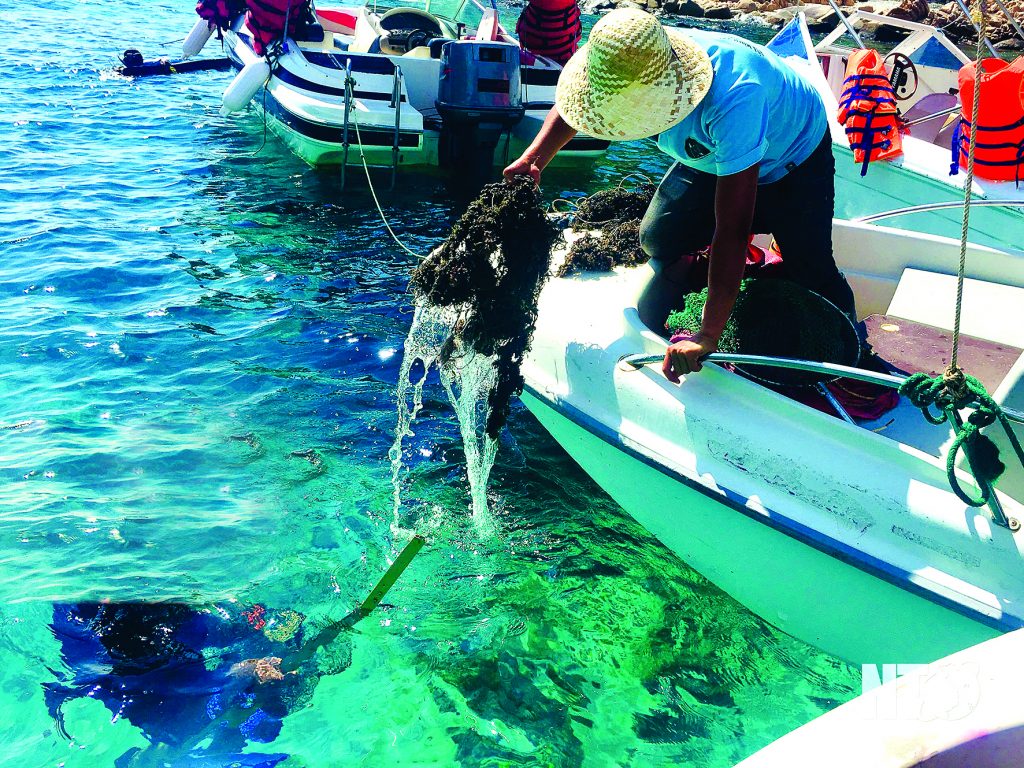
The MMPA requires exporting countries to demonstrate that their fisheries provide protections for marine mammals comparable to those in the United States, including measures to minimise bycatch.
Raising awareness among fishing communities has been a central part of Gia Lai’s approach. According to provincial data, more than 1,300 fishermen have received training on fisheries law, the prevention of illegal, unreported and unregulated (IUU) fishing, marine mammal and sea turtle conservation, and efforts to reduce plastic waste at sea.
Fishermen were also trained to identify protected species and follow procedures to release marine mammals caught unintentionally. Local authorities said the training builds on long-standing cultural practices among fishermen, who traditionally avoid harming whales and dolphins, while aligning those practices with formal regulatory requirements.
The province has encouraged the use of fishing gear designed to reduce unintended interactions with marine mammals, including circle hooks and acoustic deterrent devices. To date, 63 fishing vessels have installed 121 deterrent devices, mainly on purse seine, lift net and tuna longline vessels, provincial officials said.
Monitoring at fishing ports has been tightened, with all vessels required to undergo landing inspections and logbook checks. Authorities said data from vessel monitoring systems and on-site inspections showed no recorded cases of marine mammal bycatch or illegal capture in the province in 2025.
An analysis of nearly 18,000 fishing logbooks collected during the year indicated that fishing activities largely complied with regulations protecting marine mammals and other endangered marine species, officials added.
Gia Lai has also increased outreach efforts following frequent sightings of Bryde’s whales feeding in local waters, aiming to raise awareness among fishermen and tourists and prevent disturbances to the animals.
Enforcement has been stepped up alongside education efforts. Provincial fisheries surveillance forces conducted nine patrol and inspection campaigns in 2025, checking more than 200 fishing vessels. Administrative fines for fisheries-related violations totalled more than 2.4 billion dong (USD 95,000), according to provincial authorities.
Looking ahead, Gia Lai is implementing plans to reduce the environmental impact of its fishing fleet through gear conversion and alternative livelihood programmes. Under the roadmap, about 292 trawlers and other high-risk vessels are expected to transition to more selective fishing methods or shift to non-fishing livelihoods, with support from vocational training schemes.
The province is also working with national agencies to diversify seafood export markets, aiming to reduce reliance on a single destination and strengthen resilience against potential trade disruptions linked to environmental compliance.
“We will continue to advise the provincial government on a comprehensive approach, combining awareness, monitoring, enforcement and support for fishing gear conversion,” said Tran Quoc Khanh, deputy director of the Gia Lai Department of Agriculture and Environment.
Officials said the progress made in 2025 reflects closer coordination among government agencies and growing cooperation from fishing communities. While challenges remain, including limited resources and gaps in scientific data, Gia Lai is gradually moving towards a fisheries model that balances conservation requirements with economic development.
VFM