
Vietnam pangasius exports up 11% in Jan–July, face looming US tariff risks
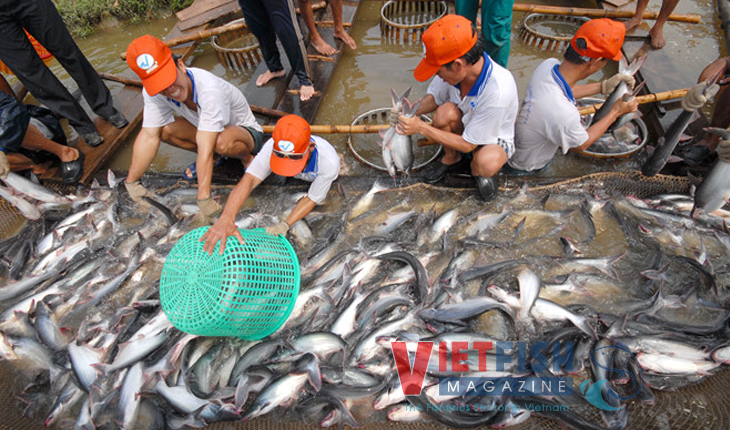
Vietnam’s pangasius exports reached over USD 1.2 billion in the first seven months of 2025, up 11% year-on-year, according to Vietnam Customs. The Vietnam Association of Seafood Exporters and Producers (VASEP) said the result underscores the sector’s resilience amid ongoing global trade turbulence.

China and Hong Kong remained the largest destination with USD 302 million (25% share), though sales fell 4% from a year earlier, reflecting softer demand for whole fish and frozen fillets. In contrast, CPTPP markets were the growth driver, climbing 34% to USD 208 million, boosted by tariff advantages and steady buying from Canada, Malaysia and several Latin American countries.

The US imported USD 206 million worth of pangasius, up 8%, but outlook is uncertain as Washington prepares to impose new import duties starting in August. The EU posted a 5% increase to USD 104 million, with Spain, Belgium, Italy and France offsetting declines in Germany and the Netherlands. Brazil stood out with 64% growth to USD 106 million , though exporters warn the country could be indirectly affected by Washington’s 50% tariff policy on Brazilian goods.
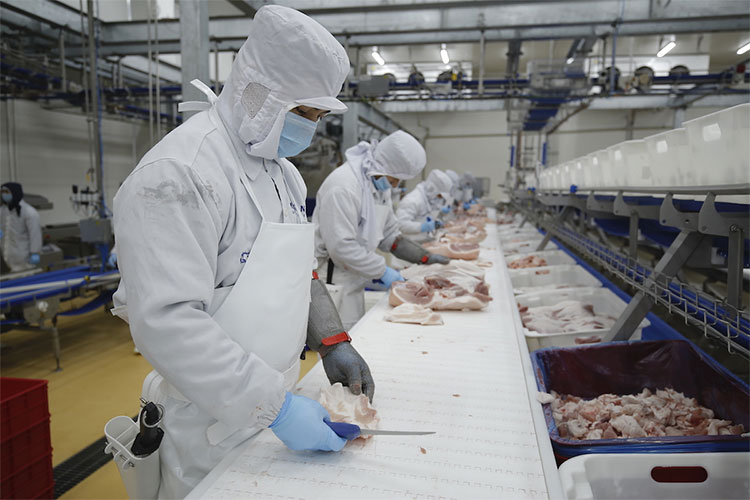
By product category, frozen fillets continued to dominate with USD 976million, up 11%. Value-added products (HS16) surged 41% to USD 30 million, highlighting a shift toward higher-margin offerings to mitigate tariff risks and meet stricter market requirements.
According to VASEP, the remainder of 2025 will bring both opportunities and challenges. The new US tariff policy may reshape the global whitefish supply chain, creating room for market expansion but also intensifying price competition. Meanwhile, demand in China requires close monitoring, while the EU and CPTPP are expected to remain stable thanks to FTAs and resilient consumption.
VASEP said Vietnamese exporters can maintain growth if they diversify further into ASEAN, South America and the Middle East, while upgrading product value, keeping the industry on track toward its 2025 export targets despite looming US tariff headwinds.
VFM