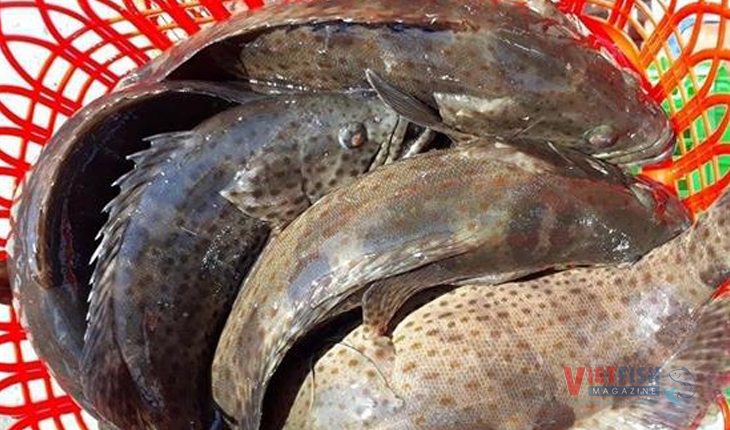

Vietnam’s pangasius exports earned more than USD 2.1 billion in 2025, reinforcing the fish’s role as the backbone of the country’s freshwater seafood industry. But behind the headline figure, exporters are facing mounting pressure as major markets tighten requirements on quality, sustainability and traceability, while technical barriers and trade safeguards become more demanding.
Industry officials say the challenge for Vietnam’s pangasius sector is no longer centred on expanding volumes, but on maintaining market access through stricter quality control and more effective management across the value chain.
Despite volatility in the global economy, the industry continued to grow last year. Vietnam had around 300 concentrated pangasius farming zones in 2025, covering an estimated 5,500-5,700 hectares, with output of about 1.65-1.74 million tonnes, according to industry data. Export revenue was estimated to rise by roughly 9% from 2024.
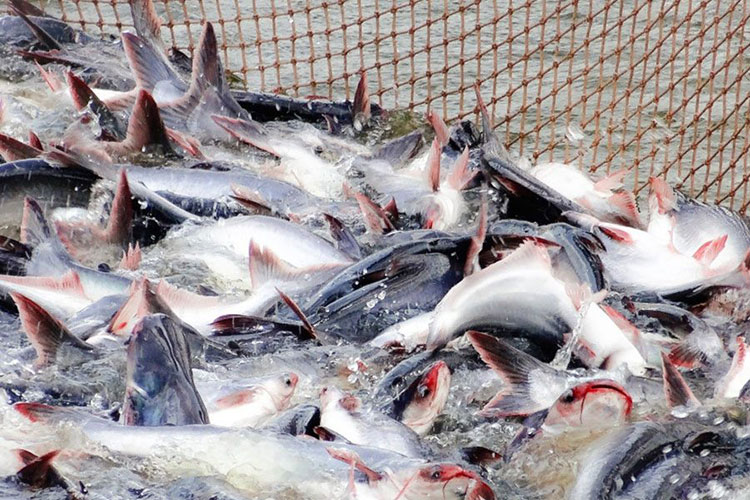
An Giang province, one of the sector’s main production hubs, harvested more than 640,000 tonnes of pangasius in 2025, generating over USD 350 million in export value. Deputy Minister of Agriculture and Environment Phung Duc Tien said demand from core markets including China, the United States and the European Union remained relatively stable.
However, he said the industry would need to shift away from volume-driven growth towards higher quality and greater value addition to sustain that position. Structural weaknesses persist, with fresh and frozen fillets accounting for 97-98% of total export value, while deeply processed products make up only 2-3%, leaving exporters heavily exposed to price competition.
At the farm level, seed quality remains a key bottleneck. Survival rates are low and production losses high, pushing up costs. Farmers say fingerlings sized at 30 fish per kilogram now cost 70,000-80,000 dong (USD 2.8-3.2) per kilogram, making it harder to control input expenses and improve quality further along the supply chain.
Rising production costs are adding to the strain. The Vietnam Pangasius Association estimates farming costs at USD 1.2-1.3 per kilogram, higher than many competing whitefish products globally. Feed, seed, energy and environmental treatment costs have increased, while raw fish prices remain volatile, squeezing margins and discouraging long-term investment.
On the market side, technical barriers and trade defence measures continue to intensify. The United States maintains anti-dumping duties and strict oversight under its catfish inspection programme, while the European Union is tightening requirements related to sustainability, emissions and social responsibility. China, although a major destination, still poses risks linked to technical controls and regulatory enforcement.
Global demand for whitefish continues to offer growth potential, but competition is increasing, said To Thi Tuong Lan, deputy secretary general of the Vietnam Association of Seafood Exporters and Producers (VASEP). For Vietnamese pangasius, she said, opportunities will depend on the industry’s ability to meet rising standards on sustainability, traceability and transparency.
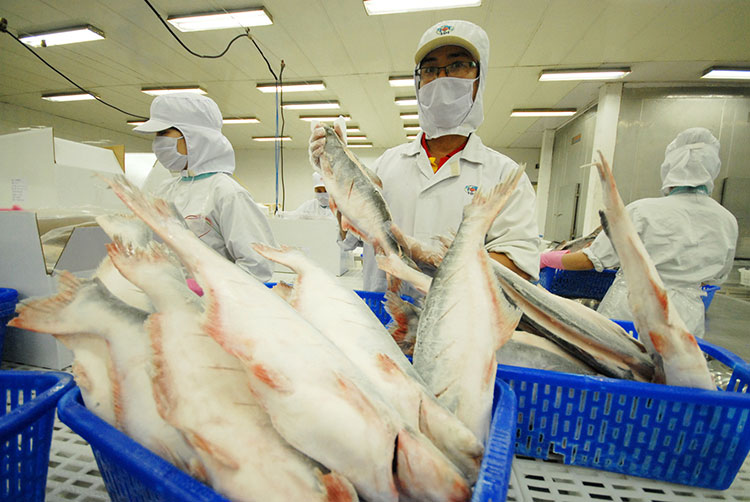
Vietnam currently has 183 pangasius processing facilities approved for export, with combined capacity of about 1.7 million tonnes of raw material per year, indicating that processing capacity is no longer the main constraint. Industry officials say the core challenges lie instead in raw material quality, linkages across the value chain and consistent compliance with market standards.
As export conditions become more demanding, retaining existing markets has become a priority. Analysts say this will require stronger state involvement in areas such as seed standardisation, farming structure reorganisation and brand protection, alongside greater responsibility from farmers and exporters to invest in quality, transparency and long-term compliance.
VFM