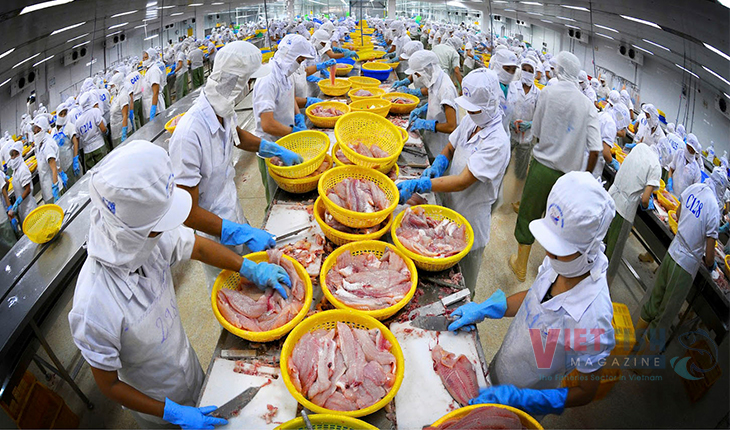

Vietnam’s seafood exports are likely to face stronger headwinds in 2026 as global demand remains uneven and trade pressures intensify, industry officials and analysts said, raising doubts over the sector’s ability to sustain last year’s growth momentum.
Shrimp continued to anchor export performance in 2025, helping lift Vietnam’s total seafood export value to an estimated USD 11.35 billion, up 13.1% from a year earlier, according to the Vietnam Association of Seafood Exporters and Producers (VASEP).
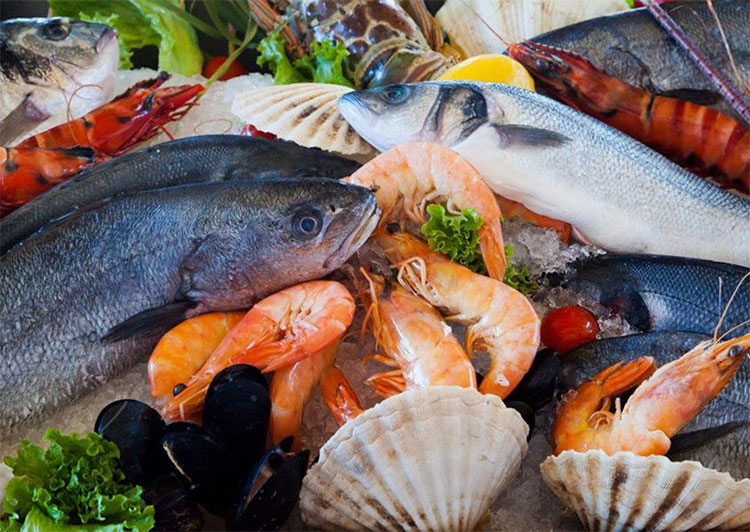
Shrimp exports rose 20% to USD 4.65 billion, accounting for the largest share of total turnover. Lobster shipments more than doubled to USD 817 million, while pangasius exports reached USD 2.19 billion, up 8%, supported by relatively favourable anti-dumping duties in the United States compared with other product groups.
Kim Thu, a shrimp market expert at VASEP, said the sector benefited from heightened global food stockpiling amid geopolitical uncertainty, early adjustments by Vietnamese exporters to shipment schedules in response to policy risks, and wider use of free trade agreements such as the CPTPP, EVFTA and RCEP to diversify markets.
Looking ahead, the industry has set a production target of more than 10 million tonnes in 2026, up 0.6% from this year, with export revenue projected at around USD 11.5 billion.
Pham Quang Toan, deputy head of the Directorate of Fisheries and Fisheries Surveillance under the Ministry of Agriculture and Environment, said capture fisheries output is expected to fall 2.1% to about 3.75 million tonnes, while aquaculture production is forecast to rise 2.2% to 6.25 million tonnes.
Analysts cautioned that meeting these targets will be difficult as the global seafood market recovery remains fragile. Geopolitical tensions, rising trade protectionism and tighter technical barriers have made demand more volatile, while input and logistics costs remain elevated.
Vietnamese exporters are also facing intensifying competition from major producers such as Ecuador and India, which continues to weigh on prices and market share and is accelerating efforts to move further up the value chain.
“US tariff policies, trade measures and technical barriers could prompt exporters worldwide to reassess market strategies and shift destinations,” said Le Hang, deputy secretary-general of VASEP. “This will heighten competition in alternative markets such as the EU, China, ASEAN and the Middle East.”
Nguyen Hoai Nam, VASEP’s secretary-general, said global buyers are increasingly demanding legally sourced wild catch and fully traceable farmed products. However, progress in issuing farming area codes in Vietnam has been slowed by planning and decentralisation challenges.
Tran Dinh Luan, head of the Directorate of Fisheries and Fisheries Surveillance, said early risk identification and proactive planning will be central to the sector’s strategy in 2026. Authorities will work with local governments and farming groups from the start of production cycles to secure raw material supplies and maintain growth.
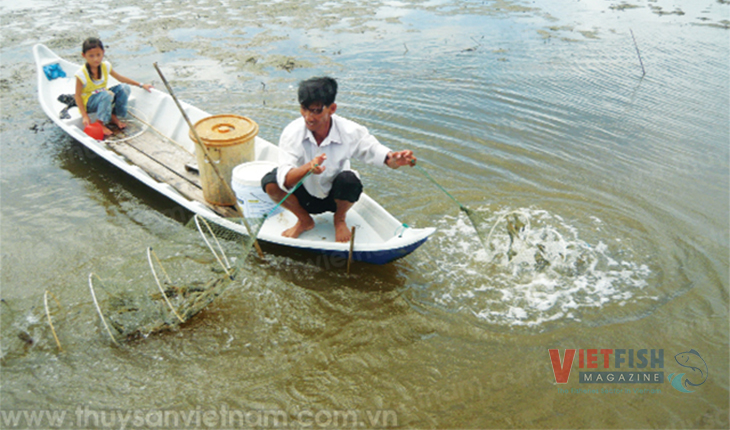
Priority will be given to key aquaculture species such as black tiger shrimp, whiteleg shrimp and pangasius in concentrated farming zones aligned with spatial planning and infrastructure development, while offshore and marine aquaculture and green production models will be expanded.
In capture fisheries, Vietnam will continue reviewing fishing ports and anchorages and strengthening vessel management and traceability systems to improve compliance and combat illegal, unreported and unregulated fishing, Luan said.
VFM