
Vietnam’s shrimp exports in 2026: U.S. tariff relief and a race to defend market share in China

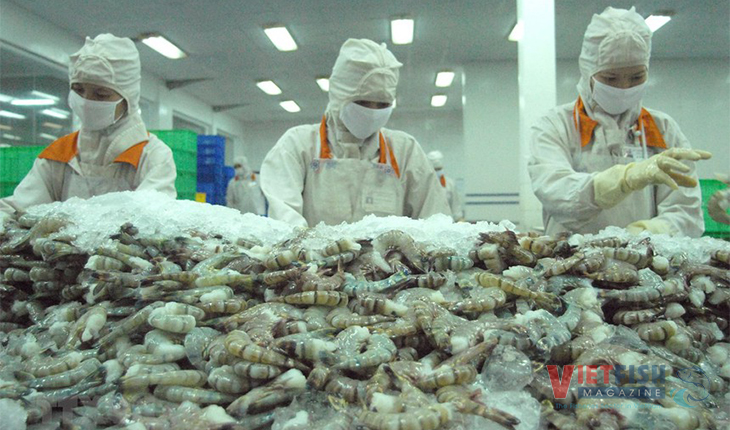
Vietnam’s shrimp industry, the backbone of the country’s seafood exports, is entering 2026 with more positive signals than in the same period of previous years. Despite intensifying global competition, Vietnamese shrimp continues to hold a strong position in international markets, with fresh growth opportunities emerging in two key destinations: the United States and China.
According to Vietnam Customs, seafood export revenue reached nearly USD 1.46 billion by Feb. 15, 2026, keeping the sector among the top three agricultural export earners. Shrimp remains the largest contributor, acting as the primary driver of the industry’s export performance.
U.S. anti-dumping tariff reduction revives contracts
A major development closely watched by shrimp exporters this year was the final result of the 19th administrative review (POR19) of anti-dumping duties on frozen warmwater shrimp conducted by the U.S. Department of Commerce.
The final decision significantly lowered tariff rates compared with the preliminary determination released in mid-2025, which had unsettled the market.
Under the ruling, two companies – Soc Trang Seafood Joint Stock Company (STAPIMEX) and Thong Thuan Company, face a duty rate of 25.76%, down from the preliminary 35.29%. Other Vietnamese exporters are subject to a much lower rate of 4.58%, allowing them to remain competitive in the U.S. market.
Nguyen Hoai Nam, secretary-general of the Vietnam Association of Seafood Exporters and Producers (VASEP), said the lower final tariffs not only reduce cost pressures for exporters but also restore confidence among U.S. importers. Following the announcement, several American buyers resumed negotiations and contract signings early in 2026.
China remains a key growth engine
While the U.S. offers policy relief, China continues to be a bright spot in terms of demand and market share.
Data from China’s customs authorities show that in 2025 Vietnam overtook Canada to become the country’s largest supplier of lobster, exporting 24,067 tonnes and capturing 34.5% of the market.
The momentum has continued into 2026. In January alone, Vietnam exported around USD 100.2 million worth of green lobster to China, up 6% from a year earlier. However, the market is tightening its requirements on quality control and traceability.
Le Van Quang, chairman of seafood group Minh Phu, said China can no longer be considered an easy market. Vietnamese companies must move away from seasonal sales and shift toward stable supply chains supported by clear standards and branding.
A pivotal year for sustaining market share
According to VASEP, competition in China could intensify from the second quarter of 2026 if Canada’s 25% tariff is removed, while Australia is expected to re-enter the premium segment more aggressively.
Vietnam’s seafood sector has set a target of producing more than 10 million tonnes in 2026 and achieving USD 11.5 billion in export revenue. For the shrimp industry, the focus is not only on expanding exports but also on improving the quality of growth.
Industry experts say 2026 could be a turning point as the advantage of low prices gradually fades and stricter requirements on environmental standards, traceability and supply-chain transparency become essential for market access.
With the U.S. market easing and China becoming more demanding, the long-term competitiveness of Vietnamese shrimp will increasingly depend on stronger domestic capabilities from farming and broodstock to processing and market strategy.
VFM