
Vietnamese Company Develops Japanese Recirculating Aquaculture System for Eel Farming, Targeting International Markets

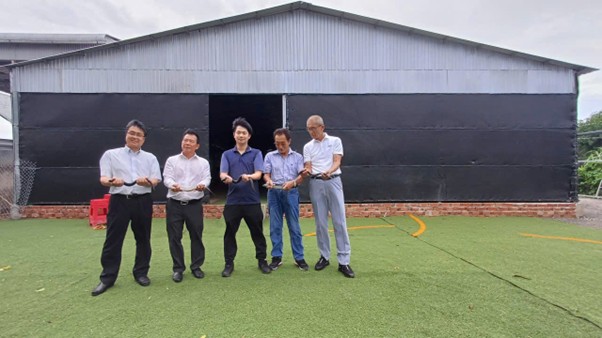
Dong Thap, Vietnam – HUY HOANG YEN Trading and Service One Member Co., Ltd. is developing a farming model for Anguilla bicolor using a Recirculating Aquaculture System (RAS) transferred from Japan. The company’s goal is to produce clean, safe, and environmentally friendly eel that meets the quality standards of the Japanese market as well as other demanding international markets.
Over the years, HUY HOANG YEN has maintained close cooperation with Japanese partners. Representatives of the company have visited eel farms throughout Japan on multiple occasions to study their production processes and farming technologies. During these visits, Japanese farm owners explained that eel farming in Japan is particularly challenging because of the country’s long winters. For nearly six months each year, farms must operate water-heating systems to maintain suitable temperatures for eel growth, resulting in significantly higher production costs.
Recognizing Vietnam’s tropical climate, abundant water resources, and favorable natural conditions, HUY HOANG YEN proposed that its Japanese partners transfer their recirculating aquaculture technology to Vietnam while also exploring future cooperation in marketing and distributing the products.
Recirculating Technology for Water Conservation and Environmental Protection
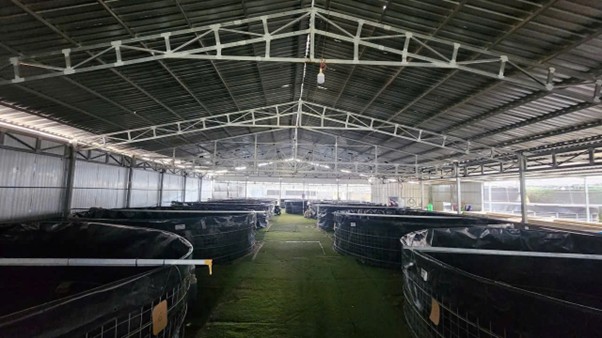
The farming process begins with water drawn from the Tien River. The water is first treated in a settling pond before entering a closed-loop recirculating system. It then passes through several treatment stages, including mechanical filtration to remove suspended solids, biological filtration using beneficial microorganisms, oxygen enrichment, and water stabilization before being supplied to the culture tanks.
The complete water preparation process takes approximately three days before it reaches the optimal conditions required for eel farming.
During production, water from the culture tanks is continuously circulated through the treatment system. Every hour, the system is capable of completely processing one 20-cubic-meter culture tank before returning the treated water back into the culture system.
Thanks to this technology, only about 4% of the water volume is lost each day due to evaporation and routine maintenance. Approximately 96% of the water is recycled and reused, significantly reducing freshwater consumption, lowering operating costs, and minimizing wastewater discharge into the environment.
The remaining wastewater is further treated and reused for hydroponic vegetable production and other agricultural activities, creating a circular farming model that utilizes the nutrients remaining in the water.
Producing Premium-Quality, Sustainable Eel
The eels are raised from juvenile size—approximately 5,000 fish per kilogram—to a market weight of around 300 grams per fish over a period of 10 to 12 months.
Because the water quality is continuously monitored and maintained under stable conditions, the farm achieves low mortality rates while producing healthy eels with consistent growth and excellent meat quality.
Throughout the production cycle, the company prioritizes environmental management and integrated disease prevention practices. No prohibited antibiotics are used, ensuring compliance with international food safety and traceability standards required by export markets.
The farm currently has an annual production capacity of approximately 100 metric tons of market-size eel and is continuing to expand its operations to meet the growing demand from both domestic and international markets.
Bringing Clean Vietnamese Eel to Consumers Worldwide
HUY HOANG YEN hopes to demonstrate that Vietnam is fully capable of producing premium-quality eel using advanced aquaculture technology transferred from Japan. This farming model not only creates a high-value seafood product but also promotes sustainable aquaculture through efficient water use and environmental protection.
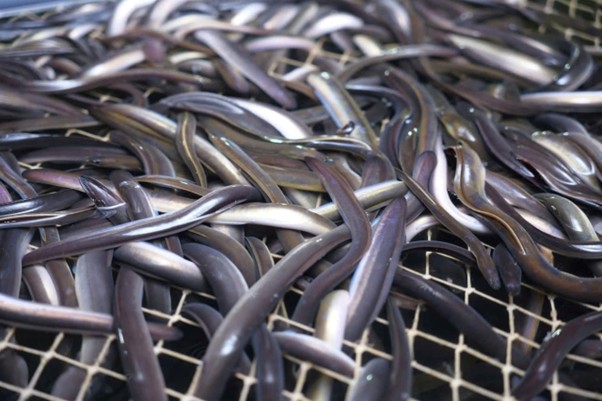
The company is actively seeking cooperation with seafood importers, distributors, restaurant chains, supermarkets, seafood processors, research institutions, and international business partners to bring Vietnam’s clean and sustainable eel products to consumers around the world.
HUY HOANG YEN also welcomes the interest of media organizations in sharing the story of this high-tech aquaculture model, helping showcase Vietnam’s innovation and enhance the global reputation of Vietnamese seafood.