
Tilapia sector eyes export growth amid global supply shifts
As global supply chains shift and demand for affordable protein rises, tilapia - a widely farmed freshwater fish, is gaining ground as a potential export commodity for Vietnam’s seafood sector, particularly in the Mekong Delta.

Vietnam is benefiting from disruptions in major tilapia-producing countries. China, the largest global supplier, is facing U.S. tariffs of up to 245% and stricter import regulations in several markets. Meanwhile, outbreaks of Tilapia Lake Virus (TiLV) have affected output in other key exporters. Vietnam, with a favorable climate, expanding technical capacity, and relatively strong disease control, is positioned to fill part of the supply gap.
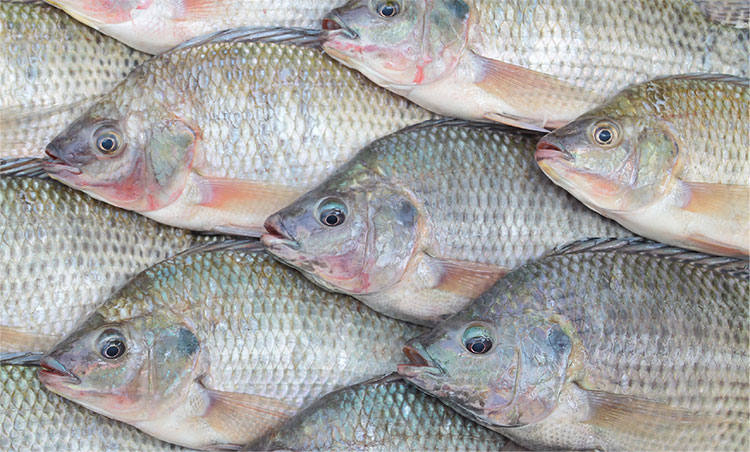
Global tilapia production reached 7 million tonnes in 2024, valued at around USD 10.6 billion, and is projected to grow to USD 14.5 billion by 2030. Vietnam currently produces about 300,000 tonnes annually, across 30,000 hectares, with a fry production capacity of 1.09 billion fingerlings per year.
In 2024, Vietnam exported tilapia worth over USD 41 million—an increase of nearly 140% year-on-year. The U.S. accounted for 46% of total tilapia and red tilapia exports in the first quarter of 2025, followed by growing demand from the EU, South Korea, Japan, and Mexico.
In An Giang province, farmers are shifting from pangasius to tilapia due to lower disease risk, reduced feed costs, and more stable prices. Many are adopting VietGAP or GlobalGAP-certified farming models, with increased coordination between producers and buyers helping to stabilize farmgate prices.
However, industry representatives caution that Vietnam must avoid the pitfalls of previous export booms. Duong Nghia Quoc, Chairman of the Vietnam Pangasius Association, said tilapia offers an extension to Vietnam’s aquaculture potential, but warned against uncoordinated expansion and insufficient value chain investment.
Le Chi Binh, Vice Chairman of the An Giang Fisheries Association, noted that scaling up production without synchronized investment in breeding, feed, processing, and logistics could limit the industry’s competitiveness. He called for national-level planning, improved access to finance and technical training, and greater participation from leading enterprises.
Industry experts say developing fast-growing, high-yield strains with resistance to TiLV and tolerance to brackish water could help expand farming into underutilized areas. They also recommend wider use of technologies such as recirculating aquaculture systems (RAS), pond lining, and cage farming to improve productivity and environmental control.
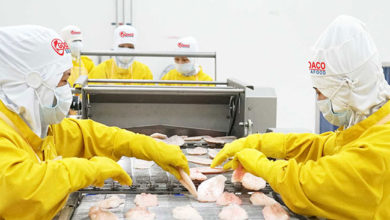
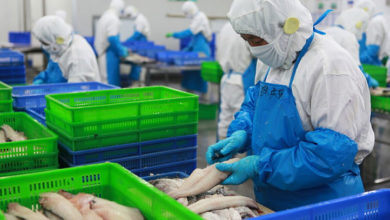
To increase export value, the sector is being urged to move beyond raw fish sales by investing in processing capabilities to produce fillets, marinated, or ready-to-eat products. Meeting international hygiene standards and adapting to consumer preferences through better branding and packaging will also be essential for long-term market growth.
Vietnam’s tilapia sector, once a marginal part of the country’s aquaculture portfolio, is now emerging as a contender in the global seafood trade. Sustained progress will depend on coordinated development across the supply chain and adapting to evolving international market demands.
VFM