
Vietnam aims to expand its marine aquaculture by 2030, focusing on sustainable, industrial-scale growth to boost the blue economy and protect coastal ecosystems.
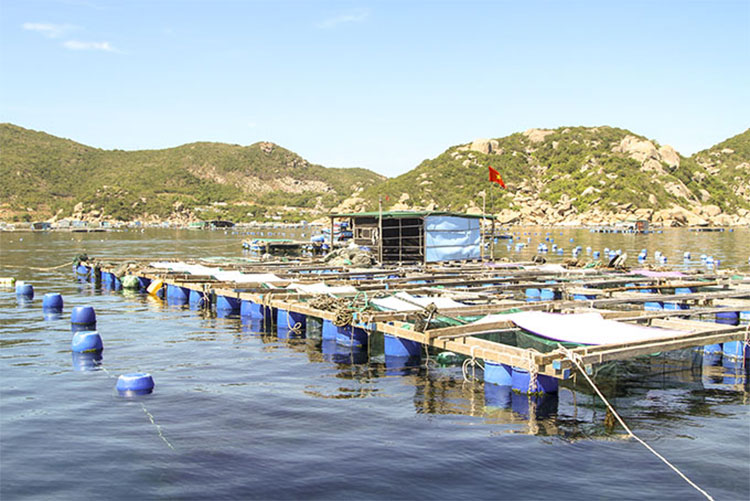
Marine aquaculture is emerging as a key growth sector in Vietnam, offering high economic value, easing pressure on coastal fisheries, and helping to conserve marine resources and ecosystems. With an exclusive economic zone of over 1 million km² and more than 3,200 km of coastline, the country has significant potential to expand offshore aquaculture.
According to Nhu Van Can, Deputy Director of the Directorate of Fisheries and Fisheries Surveillance under the Ministry of Agriculture and Environment, marine aquaculture has become a vital sector for food security, job creation, boosting coastal incomes, and promoting sustainable development. Yet, developing a modern, industrial-scale, environmentally friendly, and climate-resilient marine aquaculture industry faces several challenges, including limited zoning and management frameworks, fragmented infrastructure, lack of advanced technologies and environmental monitoring, and increasingly stringent certification and traceability requirements.
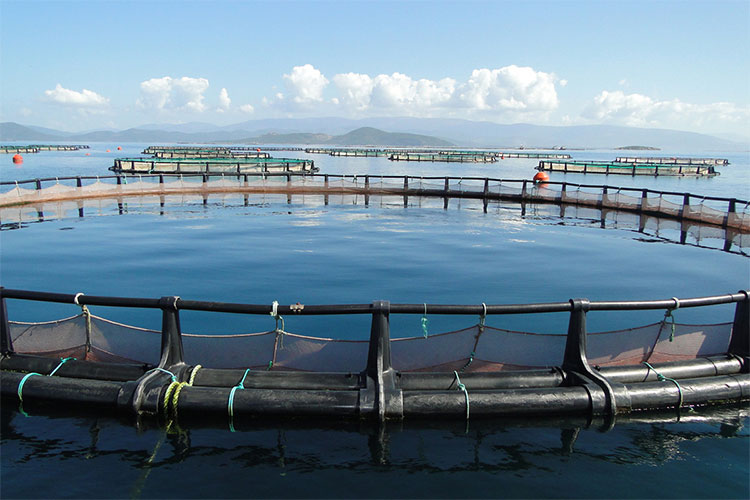
Dr. Pham Anh Tuan, Standing Member of the Vietnam Fisheries Association, notes that while Vietnam holds potential for both nearshore and offshore aquaculture, nearshore areas are approaching or exceeding their environmental carrying capacity, creating risks of disease and pollution. He advocates reorganizing coastal production and expanding offshore aquaculture along sustainable and modern lines, supported by high-quality broodstock, advanced equipment and technology, and efficient logistics. He also emphasizes the need for updated policies, technical standards, and ongoing investment in research and innovation to translate scientific advances into real industry benefits.
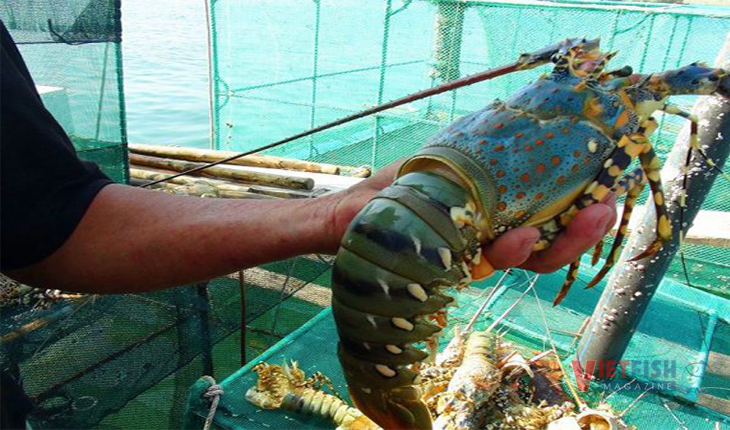
Vietnam’s marine aquaculture currently thrives along its coastline, focusing on four main species groups: marine fish, seaweed, mollusks, and lobsters. Total production reached 832,000 tonnes, growing at an average annual rate of 8.5% between 2020 and 2024, generating approximately USD 900 million in annual export revenue. The country’s natural advantages including a long coastline, deep sheltered waters suitable for offshore farming, a diverse array of high-value species, and a skilled workforce, combined with growing domestic and international markets, provide a solid foundation for growth. Nevertheless, challenges remain, such as limited offshore infrastructure, environmental and disease risks, insufficient investment, shortages of high-quality labor, and spatial conflicts with tourism, energy, and transport sectors.
Vietnam’s 2030 marine aquaculture strategy, guided by the principle of “Transparency – Responsibility – Sustainability”, seeks to:
- Develop large-scale, industrial, and environmentally friendly aquaculture using advanced technologies.
- Contribute to the growth of the blue economy and national security, particularly in offshore zones.
- Shift towards sustainable growth by reducing wild capture, increasing aquaculture production, and enhancing value addition in seafood products.
To achieve these objectives, the strategy outlines four key development directions:
- Scale up industrial aquaculture: Establish national priority zones and modernize cage systems and logistics to optimize production and supply chains.
- Invest in core technologies: Focus on broodstock, feed production, recirculating systems, and full digitalization of farming operations.
- Develop an integrated marine aquaculture ecosystem: Connect production, processing, and marketing to create multi-value blue economy models.
- Promote green and sustainable growth: Minimize environmental impact, protect biodiversity, and enhance climate resilience.
These strategic directions aim to position Vietnam’s marine aquaculture sector for sustainable, high-value growth, strengthening the country’s role in the global seafood market.
VFM