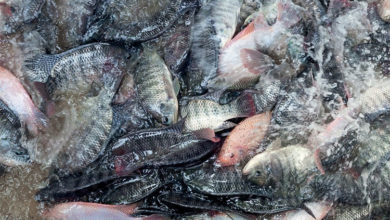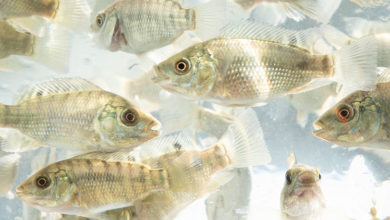

Vietnamese tilapia producers are developing a fully traceable, sustainable value chain from breeding and feed to farming and processing to meet global standards while strengthening both domestic and export markets.
Nguyen Dang Ngoc, Deputy CEO of Viet Nhat Group, shared the company’s approach to creating a sustainable tilapia value chain that aligns with stringent international standards.
Sustainability has become a core requirement for global markets. To meet these expectations, Viet Nhat Group has adopted a “green value chain” strategy, integrating all stages from breeding and feed to farming and processing.
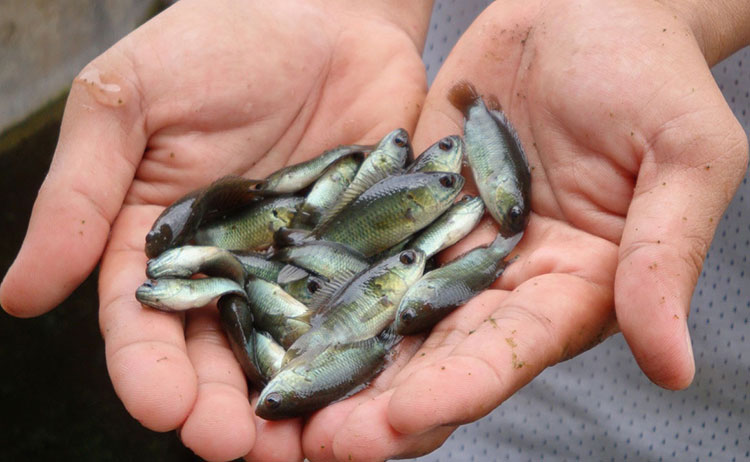
In breeding, Viet Nhat has partnered with Bao Loc Company, a leading Chinese tilapia breeder, to establish a Research, Development, and Commercial Centre for high-quality tilapia strains in Vietnam, planned for 2025. This will be Bao Loc’s first overseas R&D center, signaling a long-term commitment and mutual trust.
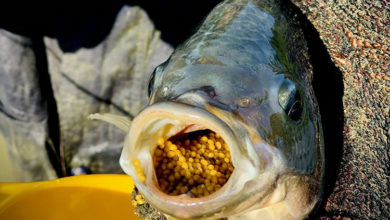
For feed production, Viet Nhat follows Best Aquaculture Practices (BAP), targeting certification in 2025, and aims to secure ASC certification by 2026. All ingredients are carefully sourced from sustainable suppliers, including SSAP-certified U.S. soy and Marine Trust-certified fishmeal, ensuring full traceability and environmental responsibility across the production chain.
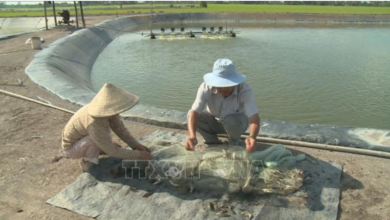
On the farming side, Viet Nhat links with well-planned, traceable production areas. Technical teams assist farmers throughout the cultivation process, implementing international standards such as GlobalGAP, BAP, and ASC. Certified farms form key nodes in the green value chain, guaranteeing healthy, high-quality tilapia.
In processing, Viet Nhat collaborates with China’s Bach Duong Group, a leading tilapia fillet processor, operating BAP-standard facilities in northern Vietnam (Hung Yen), with expansion planned in central provinces (Thanh Hoa and Phu Yen). Phase one production is projected at 235 tons of market-ready tilapia per day.
Ngoc highlighted the significance of the domestic market, emphasizing that tilapia is a familiar, nutritious food for Vietnamese consumers. By developing both local and export markets, Viet Nhat enhances the value and brand recognition of Vietnamese tilapia.
“Vietnamese tilapia is fresh, nutritious, and competitive with premium species like salmon. Improving product quality while reducing production costs strengthens international competitiveness,” Ngoc said. Balancing export standards with high-quality domestic supply is a sustainable strategy that delivers long-term value across the industry.
VFM