
Vietnam pangasius export prices set to climb on tightening supply
Vietnamese pangasius exporters are bracing for stronger price pressure in the final quarter of 2025 as raw fish supplies tighten and fingerling survival rates stay low, according to the Vietnam Association of Seafood Exporters and Producers (VASEP). Farmers are also holding back stocks in anticipation of higher returns.

From January to July, pangasius exports generated more than USD 1.2 billion, up 11% year-on-year, customs data shows. China and Hong Kong remained the top market at USD 302 million, representing 25% of sales but down 4% on the same period in 2024. The US ranked third, with imports rising 8% to USD 208m.
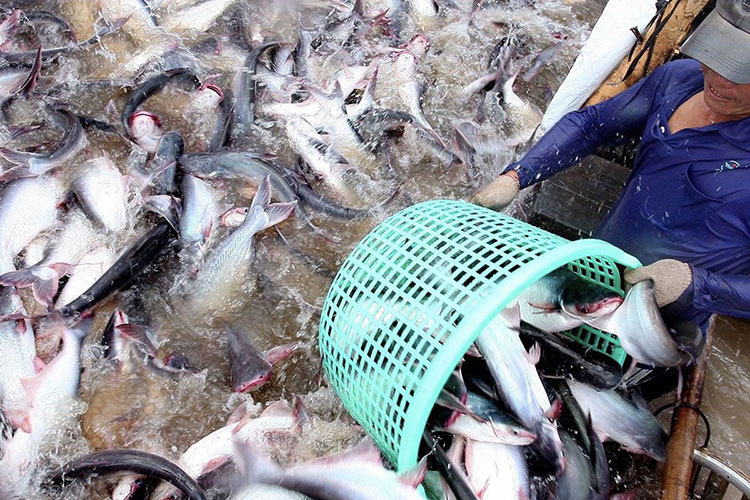
VASEP said the average reference export price in July edged down 1% month-on-month to USD 2.14/kg. Raw material prices at farm level dropped 9-10%, while fingerlings fell 5%. Late July and early August, however, saw fingerling prices rebound as availability tightened. Weather disruptions, including heavy rains and temperature swings, have also pushed up farming costs, reinforcing expectations of firmer prices.
Shortages of fingerlings continue to weigh on supply, with many farmers holding smaller fish until they reach larger weights. Supply constraints extended through August, leaving procurement prices at their highest in three years. VASEP expects farm-gate rates to climb further once processors work through existing inventories.
Mixed signals in export markets
The US remains a market to watch. From August, countervailing duties on pangasius shipped directly from Vietnam were cut from 46% to 20%. While the move is viewed as moderately positive, US buyers are still focused on clearing inventories, muting demand recovery. The impact of the new tariff rate on year-end sales remains uncertain.
In China, demand has slowed, particularly for whole fish and frozen fillets. Prices have ticked up slightly, but fluctuations in inventories continue to cloud outlooks.
By contrast, the EU and CPTPP markets are providing more stability, supported by tariff preferences and steady demand. Export prices to the EU are expected to bottom out in late August and rebound from September as supplies tighten. ASEAN also remains a reliable outlet, while South America and the Middle East are emerging as diversification options to reduce reliance on the US and China.
Brazil could pose indirect risks if the US proceeds with a proposed 50% import tariff on goods from the country and pangasius is included.
With raw material costs rising, US trade policy shifting and Chinese demand volatile, Vietnam’s pangasius sector enters a decisive final stretch of 2025 facing both pressure and opportunity.
VFM