
Herbal additives emerge as dual solution for Vietnam’s pangasius industry Natural compounds help reduce antibiotic use, enhance fish health, and support sustainable exports.

Herbal feed additives are gaining traction in Vietnam’s pangasius sector as an effective “dual solution”, helping farmers reduce disease incidence and antibiotic dependence while improving environmental performance and export competitiveness.

Mounting pressures on intensive pangasius farming
Vietnam accounts for more than 60 percent of global pangasius output, and aquaculture contributes around 4-5 percent to the nation’s GDP. Yet, intensive production has led to mounting disease risks and environmental stress.
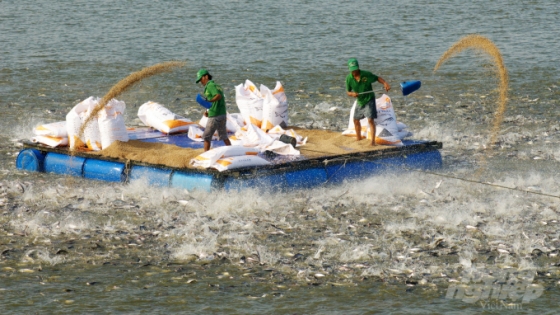
To produce 300 tonnes of fish per hectare, farmers typically use around 480 tonnes of feed and discharge more than 380 tonnes of organic waste. Most smallholders still depend on water exchange or basic bio-products for treatment, with few adopting modern filtration or recirculating systems.
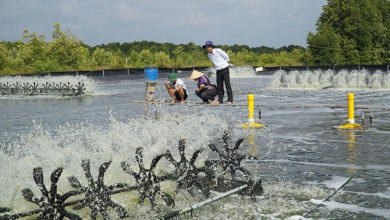
Recurring outbreaks of bacterial kidney disease and hemorrhagic septicemia have caused heavy losses in key producing provinces such as An Giang, Dong Thap, and Vinh Long. In Luc Sy Thanh commune, once a major pangasius hub, the farming area has dropped below 50 hectares.
“During the dry season, fish often fall sick. Even after spending heavily on antibiotics, many still die,” said farmer Vo Van Dau. “Pesticides from nearby orchards flow into ponds, contaminating the water. Companies then refuse to buy our fish, forcing many to stop farming.”
Processing plants are also feeling the strain. With over 100 pangasius processors nationwide, wastewater treatment costs are climbing, squeezing export margins.
Herbal remedies offer a sustainable path forward
Researchers across the Mekong Delta are now testing herbal ingredients as a sustainable alternative to conventional drugs.
According to Dr Pham Ngoc Nhu, lecturer at the Faculty of Fisheries, Cuu Long University, herbal extracts demonstrate strong antibacterial and immune-stimulating effects while remaining eco-friendly.
“Herbal additives could become a lifeline for intensive pangasius farms facing both climate and disease pressures,” he said.
A Can Tho University trial supplementing diets with five common herbs: guava leaves, phyllanthus, mimosa, neem, and euphorbia showed marked improvements in fish growth and resilience. After 60 days, groups fed with 0.2% guava or phyllanthus extract exhibited stronger blood and enzyme indicators, faster growth, and reduced liver and gill damage under stress.
Farmer Vo Van Dau reported similar results: “I used to spend hundreds of millions of dong on antibiotics, yet losses remained high. This year, I mixed guava leaf and phyllanthus powder into the feed, fish grew faster, stayed healthy, and my costs dropped noticeably.”
The approach has also attracted processing companies. PHARMAQ, a subsidiary of Zoetis, is developing pangasius vaccines incorporating herbal bio-compounds. The company says that combining vaccines with natural extracts could significantly cut antibiotic use, a major barrier to US and EU exports, while leveraging local resources at low cost.
Toward a closed, “green pangasius” value chain
Experts believe herbal-based innovations could strengthen Vietnam’s global leadership in pangasius through sustainable production and branding.
Dr Nguyen Thi Thu Hong, head of the Fisheries Department at Cuu Long University, emphasized scaling up beyond pilot farms: “We should develop a fully integrated value chain from herbal cultivation in the Mekong Delta to standardized farming, processing, and export under a ‘green pangasius’ brand. With proper policy support, Vietnam could build a complete farm-to-table model for major markets in Europe, the US, and Japan.”
She noted that long-term competitiveness will hinge on concentrated zoning, strict seed and feed quality control, and the adoption of high-tech and IoT systems to reduce costs and emissions. Better utilization of by-products and stronger corporate social responsibility (CSR) practices, she added, are now “make-or-break factors” for access to premium markets.
By embracing herbal-based feed and health solutions, Vietnam’s pangasius industry is steering toward a more sustainable and competitive future. These natural remedies not only help farmers produce cleaner fish but also align Vietnam’s aquaculture with global trends toward responsible, antibiotic-free seafood.
VFM