
Vietnam is positioning its tuna exports for potential zero tariffs in the U.S., following a trade framework agreement reached at the 2025 ASEAN Summit in Malaysia. The move could boost Vietnamese tuna in one of the world’s largest markets, but challenges remain.
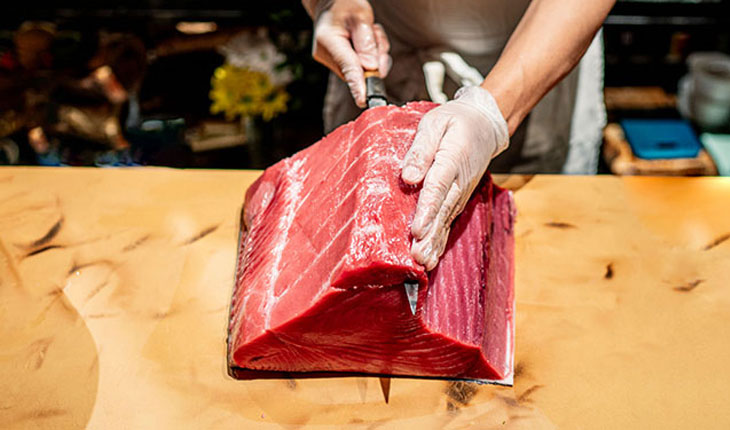
The joint statement highlights products in Appendix 3 of Executive Order 14346 (Sept. 5, 2025) as candidates for zero tariffs. Likely items include fresh or chilled albacore tuna (HS03023100), frozen tuna loin or fillet (HS03048700), and processed tuna weighing over 6.8 kg (HS16041440). If approved, these exemptions would make Vietnamese products more competitive, as import duties and logistics costs have long affected pricing.
Industry experts warn the benefits are not guaranteed. The U.S. has yet to release the full list of eligible products, and companies must meet strict rules of origin, traceability, and sustainability standards. Vietnamese tuna exporters have faced rising U.S. scrutiny over illegal, unreported, and unregulated (IUU) fishing, compliance with the Marine Mammal Protection Act, supply chain transparency, and certification from the Marine Stewardship Council (MSC). Failure to comply could block access to zero tariffs even if products are listed.
Trade tensions add another layer of complexity. The U.S. applied a 20% retaliatory tariff on several Vietnamese goods this year. The zero-tariff policy is expected to favor products demonstrating “fair reciprocity” and transparent sourcing. In response, exporters are shifting toward higher-value products, such as loin, fillet, and large-scale processed tuna, aligning with U.S. demand for sustainable seafood.
Analysts say if zero tariffs are implemented within 6-18 months, Vietnamese tuna exports could recover after a stagnant 2024-2025 period. Success will require investments in traceability systems, standardized processing, and developing a national brand.
“The opportunity is significant but not automatic,” said one industry observer. “Without supply chain standardization and full IUU compliance, zero tariffs remain only a potential advantage.” Vietnam’s tuna sector faces a critical moment where adaptability, transparency, and sustainable value will determine competitiveness in the U.S. market.
VFM