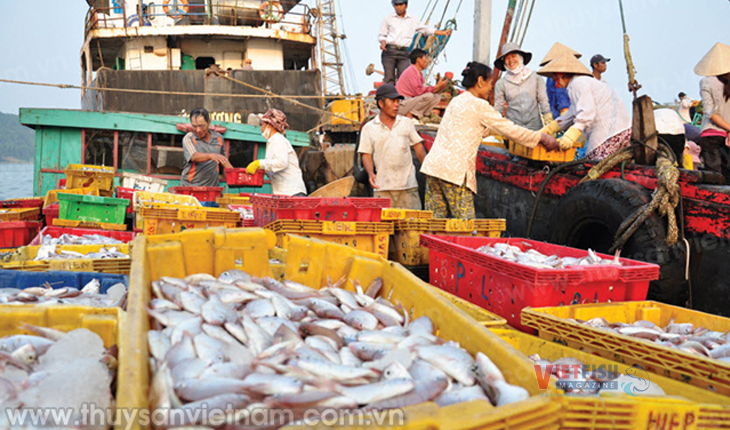

Viet Nam is stepping up nationwide efforts to meet EU requirements on IUU fishing, tightening fleet management, strengthening monitoring and digital traceability, and pushing strict compliance across localities and businesses as it aims to lift the EC’s “yellow card” in 2025.
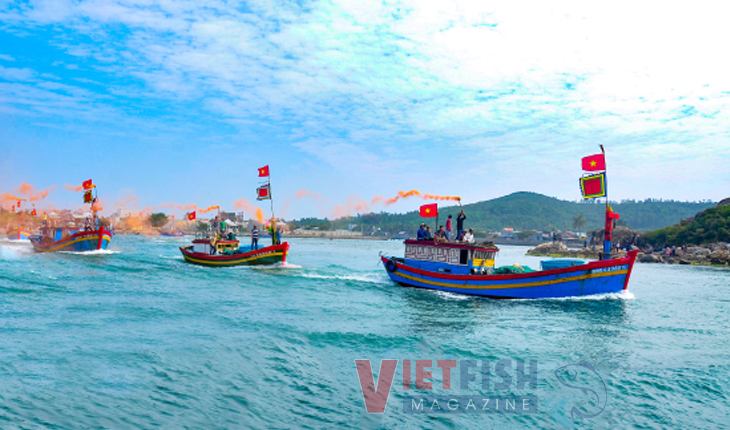
Viet Nam is entering a critical phase in its efforts to have the European Commission (EC)’s “yellow card” on illegal, unreported and unregulated (IUU) fishing removed, as the country pushes toward a transparent, responsible and sustainable fisheries sector. All fishing vessels nationwide have now completed registration, certification and data updates on the VNFishbase system, officially ending the existence of unregistered, unlicensed and uncertified vessels.
Over the past week, the Ministry of Agriculture and Environment has continued dispatching working groups to coastal localities to review progress, address bottlenecks and reinforce compliance among enterprises involved in sourcing and importing wild-caught seafood.
IUU enforcement becoming more disciplined
Deputy Minister of Agriculture and Environment Phung Duc Tien said localities have completed the standardisation of fishing fleet data, installed vessel monitoring systems (VMS), implemented digital identification through VNeID, piloted electronic logbooks and carried out programmes to phase out vessels that do not meet legal requirements while supporting fishermen’s livelihoods.
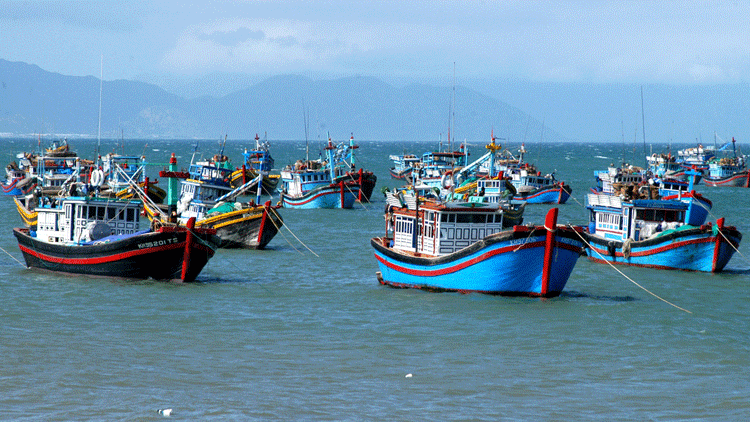
The backlog of administrative violations has been reduced to just 0.33 per cent, marking a significant improvement. Viet Nam is also providing additional clarifications to the EC regarding violations by foreign vessels and traceability of certain products.
Recent inspections in An Giang, Nghe An and Quang Ninh showed clear progress. An Giang has fulfilled 17 out of 19 assigned tasks, completed a full review of its fishing fleet, ensured 100 per cent monitoring of vessels of 15m or longer and implemented the eCDT electronic traceability system. Nghe An has similarly completed 17 out of 19 tasks, maintains 24/7 VMS monitoring and promptly issues alerts when vessels lose signal or show signs of boundary crossing.
Two ongoing tasks in Nghe An, livelihood transition and support for VMS upgrades, are expected to be submitted to the provincial People’s Council in December 2025.
Strong resolve to remove the yellow card in 2025
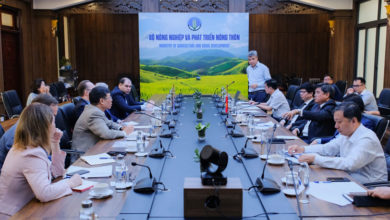
Nguyen Quang Hung, Deputy Director General of the Directorate of Fisheries and the Fisheries Surveillance, stressed the Prime Minister’s directive to strictly enforce anti-IUU regulations. During a recent working session, he urged Nghe An to tighten control over vessels losing VMS connection, strictly manage port entry and exit, and accelerate the handling of pending violation cases to strengthen deterrence. The decisive goal remains preventing any vessel from infringing foreign waters.
Local authorities echoed this stance. Nghe An pledged to intensify enforcement, invest in modern monitoring equipment and assign clear responsibilities to agencies and officers. In An Giang, Deputy Minister Tien instructed the province to strengthen monitoring both at sea and onshore, prohibit vessels that fail to meet legal conditions from leaving port, and upgrade fishing port infrastructure to meet international integration requirements.
For the business community, the Ministry has requested the Viet Nam Association of Seafood Exporters and Producers (VASEP), the Viet Nam Tuna Association and all enterprises purchasing or importing wild-caught seafood to strictly comply with IUU regulations. Companies must verify the legality of raw materials, review documentation for both imported and domestically sourced products and ensure full traceability through to export to the EU.
Enterprises are legally responsible for the accuracy and completeness of all documents submitted to competent authorities.
VFM