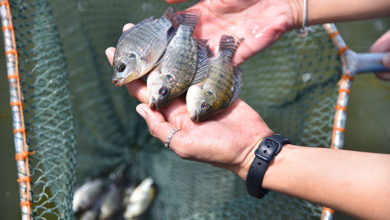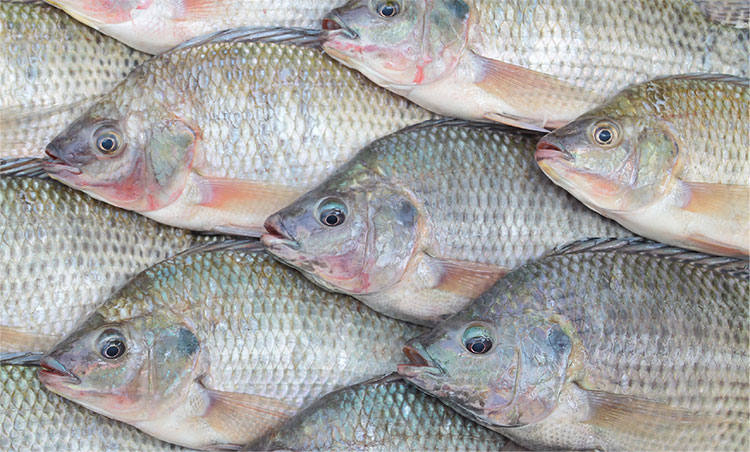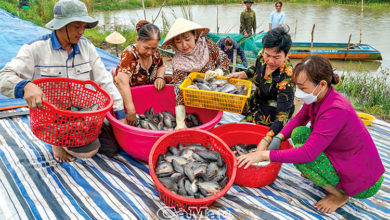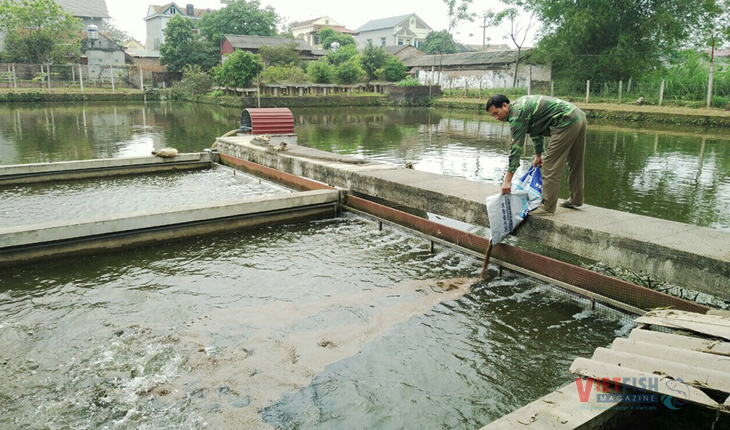

Vietnam’s tilapia exports are experiencing strong momentum, led by rapid growth in the United States market with triple-digit expansion in 2025. As global seafood trade faces increasing volatility, tilapia is emerging as a strategic product that could help Vietnam diversify its export portfolio and enhance long-term value.
Vietnam’s Ministry of Agriculture and Environment recently held discussions with a delegation from the U.S. Embassy on launching the “U.S. – Vietnam Aquaculture Value Chain Partnership.” The project, backed by more than USD 15.2 million in funding over five years, aims to produce a cumulative 1.21 million metric tons of tilapia with total sales projected at USD 1.25 billion. Starting in March 2026, the initiative will be implemented in the Red River Delta and the Mekong Delta, with expected direct benefits for more than 24,000 people across the production chain, including farmers, aquaculture operations and seafood processors.
Deputy Minister Phung Duc Tien said the project would provide critical resources to support Vietnam’s tilapia development strategy through 2030, while strengthening value chains and expanding trade with the United States, Europe and the domestic market.
Data from the Vietnam Association of Seafood Exporters and Producers (VASEP) show that tilapia exports to the United States reached more than USD 53 million in 2025, up 173% from the previous year, making the U.S. the largest importer of Vietnamese tilapia. Overall tilapia exports totaled about USD 99 million, a year-on-year increase of more than 140%.
Beyond traditional markets, Vietnamese companies are expanding shipments to the Middle East and Brazil. Exports to the Middle East totaled nearly USD 9 million in 2025, rising about 400% from a year earlier, including USD 8 million to Saudi Arabia. Vietnam also shipped about USD 11 million worth of tilapia to Brazil, one of the world’s leading tilapia exporters, underscoring the growing competitiveness of Vietnamese products as global seafood markets continue to adjust.
However, maintaining growth in major markets such as the United States, the Middle East and the European Union will require Vietnamese tilapia to meet stringent standards for product quality, food safety and sustainability certifications, including GlobalGAP, BAP and ASC. This will require comprehensive improvements across the entire production chain, from seed supply and farming to processing.
Industry representatives say Vietnam must accelerate the development of integrated supply chains while investing in cold storage, modern logistics and standardized production practices. With stronger compliance with international standards, tilapia could emerge as a new pillar of Vietnam’s seafood exports alongside shrimp and pangasius.
VFM