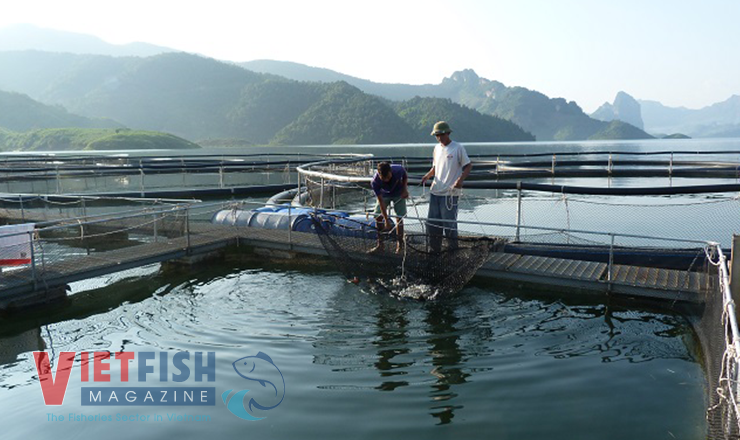

Fisheries cooperation between Vietnam and Japan is evolving beyond traditional trade, gradually forming a two-way value chain that connects production, processing, technology and sustainability.
A stable pillar of bilateral economic ties
For decades, fisheries have been one of the most stable and substantive areas of economic cooperation between Vietnam and Japan. Beyond generating significant trade value, the partnership has helped upgrade Vietnam’s capabilities in seafood production, processing and quality management.
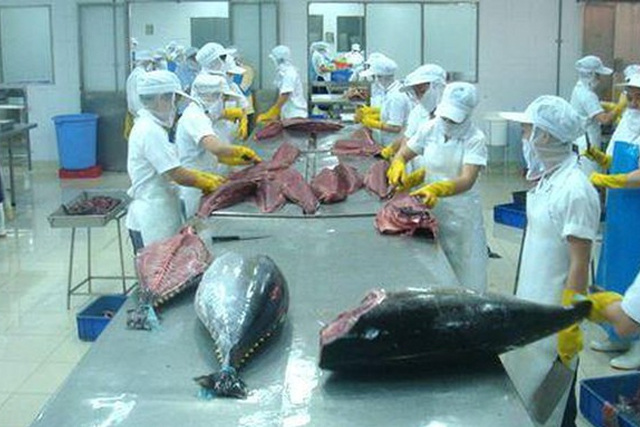
Japan has consistently ranked among the top three importers of Vietnamese seafood, with annual imports valued at about USD 1.5 – USD 1.7 billion. Key products such as shrimp, squid, octopus, tuna and various marine fish must meet strict requirements on food safety, traceability and residue control. Maintaining a stable presence in this demanding market reflects the growing ability of Vietnamese companies to meet high international standards.
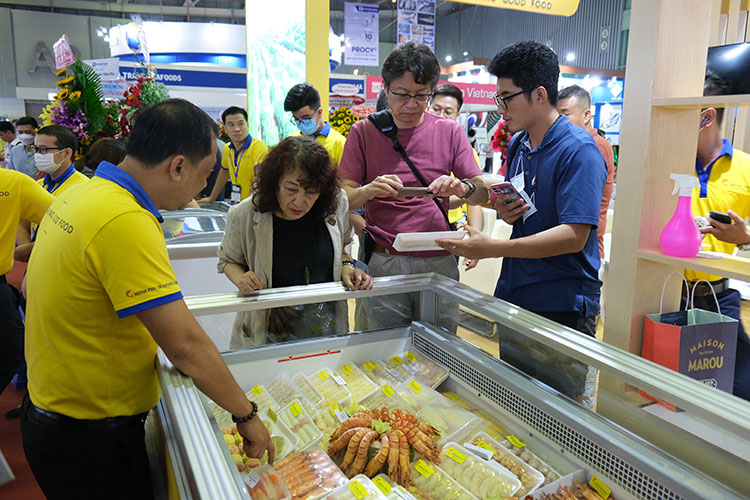
In the opposite direction, Japan is also an important seafood supplier to Vietnam. In 2025, Vietnam imported more than USD 300 million worth of seafood from Japan, including scallops, salmon, yellowtail, mackerel, horse mackerel and tuna. These products serve both domestic consumption and processing for re-export.
Supply chains increasingly intertwined
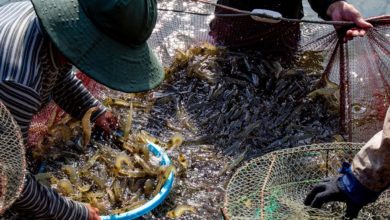
The seafood supply chains of the two countries are becoming more closely integrated. Vietnam exports farmed and wild-caught seafood to Japan, while importing premium Japanese seafood as raw materials for processing and export to third markets. This pattern reflects a two-way value chain in which businesses in both countries play complementary roles.
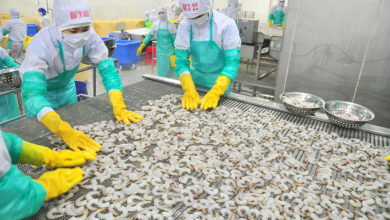
Over more than three decades of cooperation, Japanese firms have contributed not only as buyers but also as partners in upgrading Vietnam’s seafood industry. Technology transfer in quality management systems, cold storage and deep-processing techniques has helped modernize Vietnam’s processing sector. Many modern seafood plants in Vietnam have been designed and operated according to Japanese technical standards, providing a platform for expansion into other high-value markets.
Room for deeper cooperation
According to the Vietnam Association of Seafood Exporters and Producers, there remains significant potential for Japanese companies to deepen their involvement in Vietnam’s seafood value chain. Promising areas include broodstock and high-tech aquaculture, automation in processing, and cold-chain logistics and smart cold storage – key bottlenecks for the industry.
Emerging fields such as digital traceability, ESG-based management, emissions reduction and sustainable production also offer new opportunities for collaboration, as Japanese firms possess strong expertise while Vietnam has growing demand.
As Japan becomes increasingly dependent on imported seafood supplies, Vietnam is well positioned to serve as a long-term strategic source for the market. With large-scale production, a strong processing sector and decades of cooperation with Japanese partners, Vietnam could elevate its role from supplier to strategic partner in Japan’s seafood food-security framework if supported by further advances in sustainable aquaculture technology, cold-chain logistics and supply-chain management.
VFM