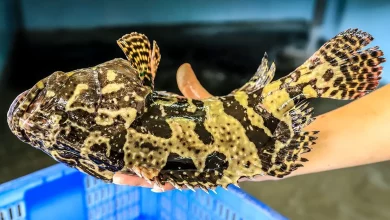

Improved planning and the use of eco-friendly cage materials have helped Lan Ha Bay recover from years of pollution, paving the way for sustainable aquaculture that supports local livelihoods while protecting the area’s natural heritage.
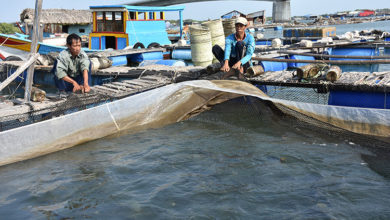
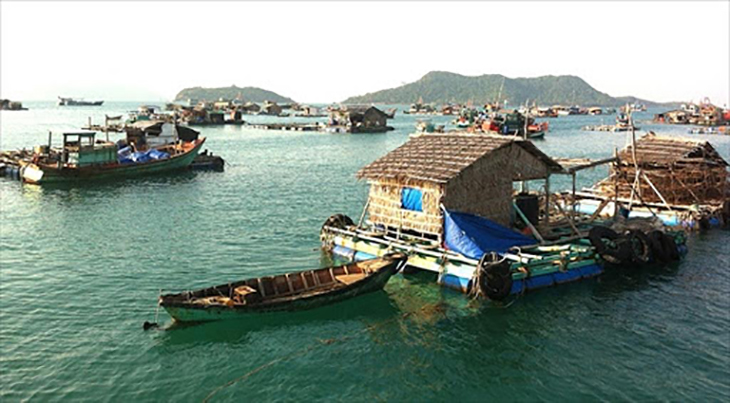
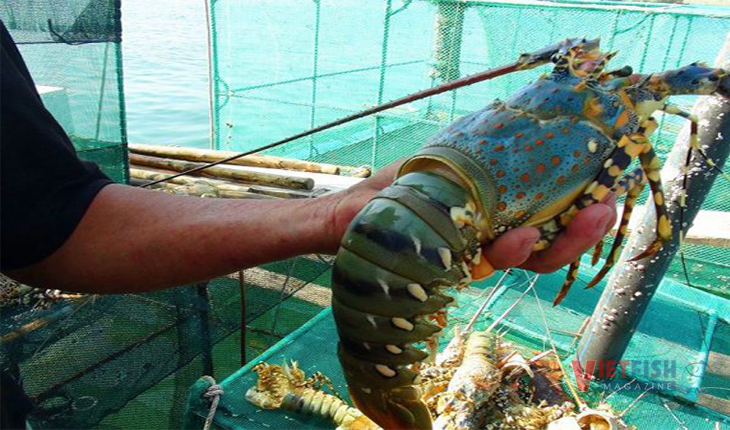
Cage fish farming around the Cat Ba Archipelago has long been a key source of income for thousands of fishers and a draw for tourists. But unchecked expansion in past decades led to severe environmental damage, prompting authorities to tighten oversight to safeguard the beauty and biodiversity of Lan Ha Bay, part of the UNESCO World Heritage site.
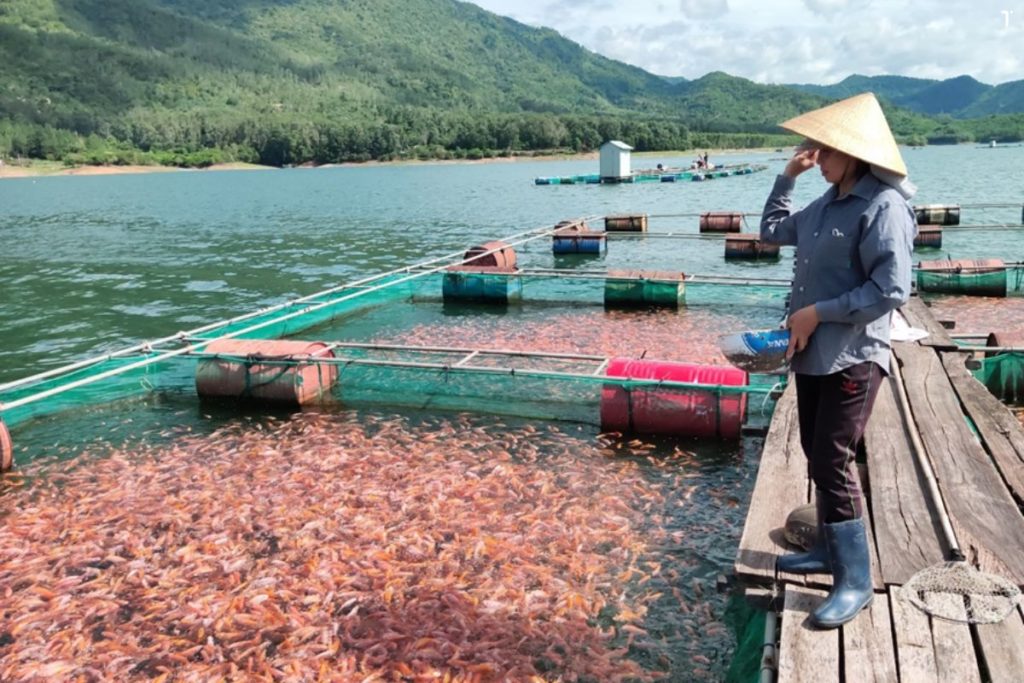
According to Pham Vinh Toan, deputy director of the Management Board of the Cat Ba Archipelago Bays, aquaculture in the area was largely unregulated before 2010, particularly during the late 1990s and early 2000s. Excess feed, waste and the use of traditional cage materials such as wood and styrofoam caused significant pollution, degrading the water environment and the bay’s scenic value.
Aquaculture management has been strengthened since 2015. A major shift came in 2022, when the Hai Phong City People’s Council adopted Resolution No. 05, a strategy linking fisheries with sustainable tourism and investment in the Cat Ba tourism zone. By the end of 2023, the number of fish-farming households had dropped sharply, and cages were systematically relocated from strictly protected areas.
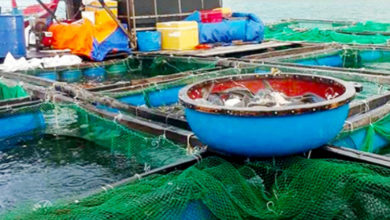
Toan said the transition focuses on two main goals: reducing cage density and replacing outdated materials with environmentally friendly ones. Farmers are now encouraged, and in many cases required, to use more durable composite and HDPE cages instead of wood and styrofoam. As a result, all cages in Lan Ha Bay have now been converted, improving water quality, farming efficiency and the bay’s resilience.
Looking ahead, the management board plans to promote high-tech marine aquaculture integrated with eco-tourism, while proposing policies to encourage offshore farming, automation in feeding and environmental monitoring, and wider use of sustainable materials.
“We are fully aware that conserving the bay’s natural value is our foremost responsibility. All economic activities, including aquaculture, must strictly comply with environmental protection standards,” Toan said.
VFM