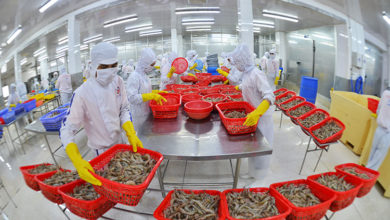

Vietnam’s seafood sector has maintained strong overall growth in 2025, but exports to the United States are showing clear signs of strain as Washington’s reciprocal tariff regime begins to weigh on volumes, margins and corporate earnings.
Vietnam’s seafood exports have continued to expand this year, underscoring the industry’s resilience amid volatile global trade conditions. However, shipments to the United States have weakened markedly over the past three months, as the impact of US reciprocal tariffs gradually filters through supply chains.
According to the Vietnam Association of Seafood Exporters and Producers (VASEP), total seafood export turnover in the first 10 months of the year exceeded USD 9.5 billion, up 15% year on year, marking a strong performance for the sector despite mounting external pressures.
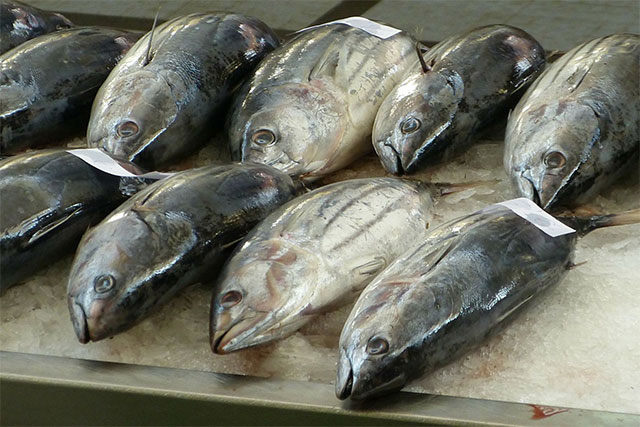
China and Hong Kong remain the primary growth engine. By the end of October, exports to the combined market surpassed USD 2 billion, up more than 32% year on year, driven by robust demand for live lobster, marine fish and live crab. Rising year-end consumption of live and fresh seafood is expected to continue supporting shipments in the coming months.
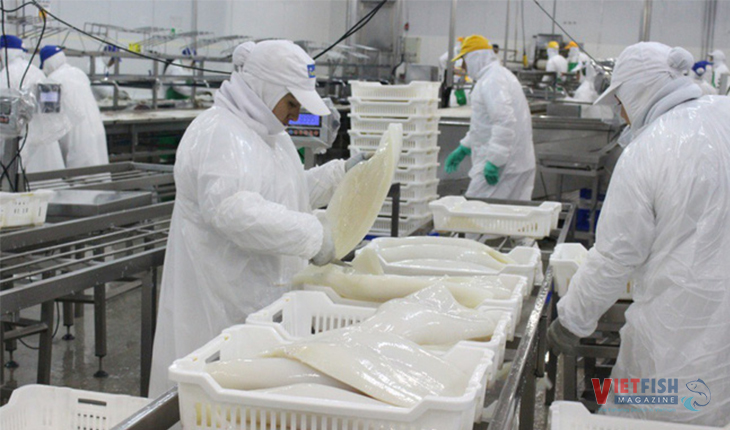
Japan has sustained a steady recovery, with exports reaching nearly USD 1.4 billion in the first 10 months, supported by consistent demand for shrimp, squid, marine fish and pasteurized crab products. Europe has also delivered solid growth, with exports totaling USD 985 million over the same period, benefiting from the EU’s partial easing of technical barriers on Vietnamese farmed seafood.
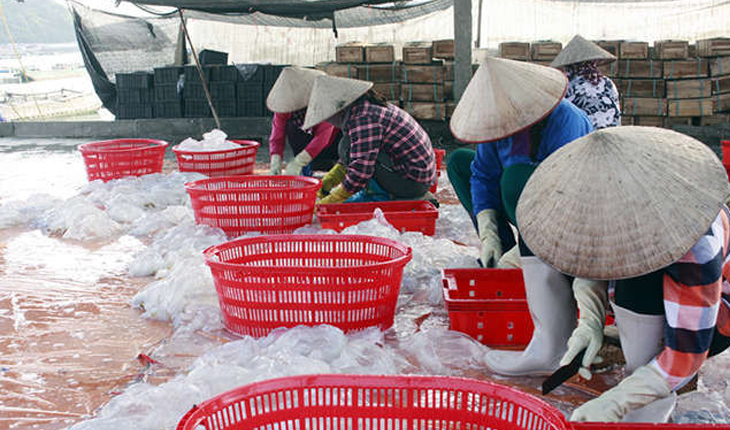
South Korea recorded double-digit growth to USD 725 million, fueled by strong demand for squid, octopus and surimi. Markets covered by the Comprehensive and Progressive Agreement for Trans-Pacific Partnership, particularly Canada, Australia and Japan, remain among the fastest-growing destinations, highlighting Vietnam’s ability to leverage preferential tariff access.
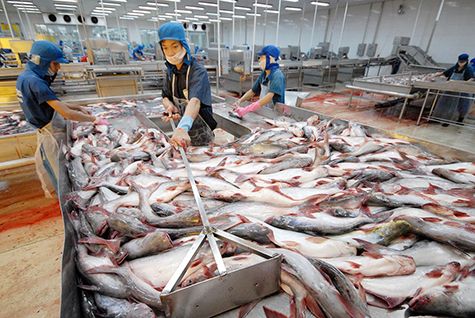
By contrast, the US market has entered a period of heightened volatility. While cumulative exports to the US still rose year on year to around USD 1.6 billion in the first 10 months, shipments have declined noticeably since the third quarter following the introduction of a 20% reciprocal tariff in August. Key categories such as shrimp and pangasius, which account for a large share of US-bound volumes, fell in September and October as exporters proactively scaled back shipments to limit loss-making risks.
Additional pressures are compounding the challenge. US anti-dumping duties on shrimp remain in place, while the Marine Mammal Protection Act, expected to directly affect wild-caught seafood from early 2026, is further elevating compliance and cost risks. Together, these factors are turning the US into a major pressure point for Vietnamese exporters.
The slowdown is now clearly reflected in corporate financial results. The delayed impact of tariffs is eroding margins and forcing companies to reassess their exposure to the US market.
Sao Ta Foods reported after-tax profit of VND 251.2 billion in the first nine months, up 6.7% year on year, but the result came despite nearly VND 193 billion in reciprocal tariff costs, compared with none a year earlier. Selling expenses doubled over the period, while anti-dumping and countervailing duties also rose sharply.
Pangasius producer Vinh Hoan Corp has similarly reduced US shipments to mitigate losses. Revenue from the US market has fallen by as much as 36% in recent months, with domestic sales overtaking the US for the first time to become the company’s largest revenue source.
Looking ahead, VASEP expects 2026 to remain challenging, citing the prolonged application of US reciprocal tariffs, potential impacts from the MMPA, the risk of the EU maintaining its IUU yellow card and intensifying competition from India, Ecuador and Indonesia. To sustain long-term growth, Vietnamese exporters will need to rebalance market exposure, accelerate value-added product development, invest in processing technology and strengthen sustainability standards.
VFM