
Vietnam has begun developing a national set of Green–Digital–ESG standards for its seafood industry, aiming to standardise production across the value chain, boost competitiveness and meet tightening sustainability requirements in global markets.
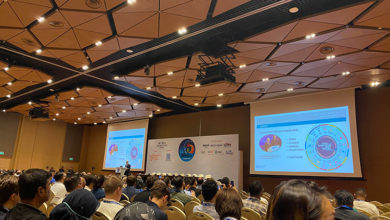
The initiative was launched at a workshop held on March 1 in the central province of Khanh Hoa, organised by the Green Fisheries Committee under the Vietnam Green Transformation Association (VGA), together with the Center for Development and Integration (CDI) and the Research Institute for Aquaculture.
Vietnam’s seafood sector is facing growing pressure to adapt as export markets impose stricter rules on environmental protection, traceability and social responsibility. Industry representatives said the planned national standards are intended to integrate sustainability, digitalisation and governance criteria into a unified framework for the sector.
Dang Huy Dong, chairman of VGA, said Vietnamese seafood exporters could face increasing disadvantages if the country fails to establish a national Green–Digital–ESG standard while technical barriers in global markets continue to rise.
Nguyen Quang Hung, deputy director general of the Department of Fisheries and Fisheries Surveillance under the Ministry of Agriculture and Environment, said the framework must be practical, aligned with national data systems and avoid overlapping with existing platforms such as the electronic catch documentation and traceability system (eCDT).
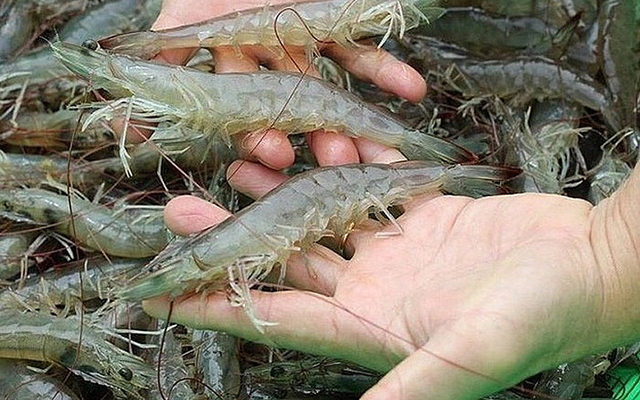
He said separate standards should be developed for key segments of the industry, including capture fisheries, aquaculture, processing and logistics, with initial focus on major export products such as shrimp, pangasius, tuna and squid.
Experts said the new framework should combine environmental, social and governance (ESG) criteria while remaining compatible with international benchmarks.
Pham Hoai Trung, an ESG specialist, said the standards should reflect domestic production conditions while allowing comparison with global sustainability frameworks.
Nguyen Thi Xuan Thu, head of the Green Fisheries Committee at VGA, proposed linking Vietnam’s standards with international certification schemes such as MSC, ASC, BAP and GlobalGAP, as well as regulatory requirements in the European Union, Japan and the United States.
Such alignment would help exporters cut certification costs and avoid having to comply with multiple overlapping standards when accessing different markets, she said.
Mai Quang Vinh, VGA’s standing vice chairman and secretary general, said the framework could build on experience from VietFarm, a low-emission agricultural certification system. The model could be expanded to develop a VietFarm standard for green aquaculture under Vietnam’s national standards system, drawing on earlier work in crop and livestock production.
The workshop also presented digital solutions for traceability and value-chain management, including the GDPX digital trading platform and the eGap system, which integrates Internet of Things (IoT) and blockchain technology.
Pham Xuan Thoa, a technology specialist, said digital transformation would play a key role in improving transparency across the seafood supply chain.
However, participants stressed that digital tools should support, rather than replace, formal standards. Data integration with government management systems will also be necessary to avoid fragmentation.
Representatives from the Khanh Hoa Department of Agriculture and Environment said the standards should be designed in multiple tiers to reflect the sector’s diverse production models while allowing broader application across export markets.
They also suggested exploring cost-sharing mechanisms with trading partners to reduce the financial burden on businesses.
Nguyen Thi Phi, chief executive of Syaqua-AND, said exporters need an integrated national framework to better access demanding markets such as the United States and South Korea.
Industry participants said complying with multiple international certification schemes is placing increasing pressure on companies in terms of cost and time. A unified national standard aligned with global frameworks could help support exporters and strengthen the competitiveness of Vietnam’s seafood industry.
VFM