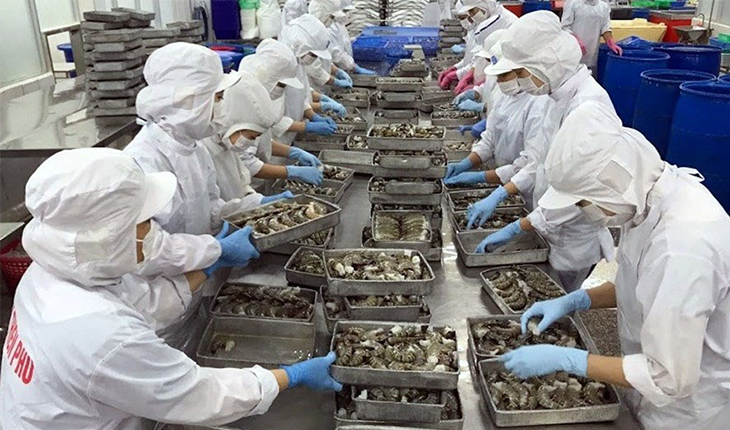

Vietnam’s pangasius exports in first nine months of 2025: CPTPP markets and Brazil surge, traditional markets stall

Vietnam’s pangasius exports reached nearly USD 1.6 billion in the first nine months of 2025, up 9% from the same period last year, signaling a recovery after previous declines. Market dynamics are shifting, with strong growth in CPTPP countries, Brazil, and Thailand, while traditional markets show signs of stagnation.
CPTPP and Brazil drive Ggrowth
CPTPP markets, including Japan, Canada, Mexico, and Chile, recorded a 35% increase, reaching USD 271.4 million and accounting for 17% of total exports, benefiting from tariff advantages and rising demand for sustainable seafood. Brazil stood out in South America with a 45% surge to USD 128 million, representing 8% of total exports. Thailand also grew 27% to USD 58.3 million, supported by domestic consumption recovery and re-exports within ASEAN.
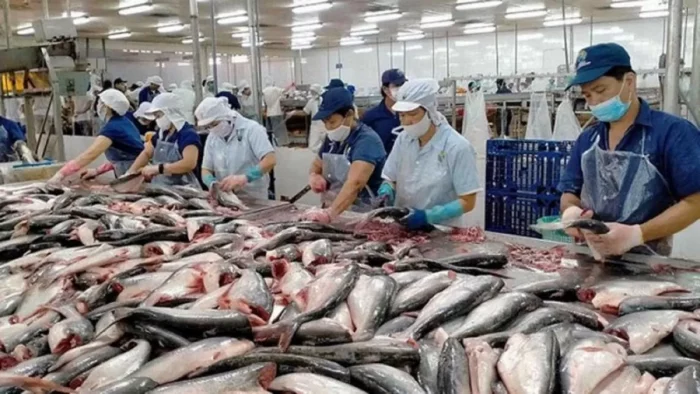
Traditional markets slip but remain key
Exports to China and Hong Kong totaled USD 409.8 million, down 2%, yet still accounted for nearly 26% of the total. The U.S. market fell 2% to USD 257.2 million, due to competition from other whitefish and trade barriers. The EU maintained USD 134.2 million (8%), boosted by demand for convenient food products. Other markets, including the Middle East, South Asia, and Africa, rose 3.6% to USD 340 million, reflecting proactive market expansion by Vietnamese companies.
The pangasius export structure is becoming more balanced, with CPTPP, South America, and ASEAN markets playing an increasingly important role. Vietnamese exporters are adapting by expanding markets and investing in value-added products aligned with sustainable and green consumption trends.
Experts forecast a strong recovery in Q4 2025, driven by year-end demand and Tet 2026 orders, though rising raw material costs may pressure profit margins, requiring companies to optimize costs while maintaining product quality.
VFM