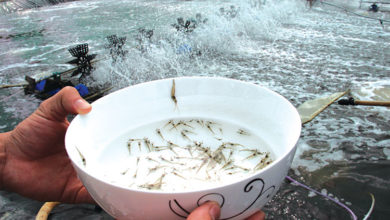

Giant freshwater prawns are emerging as a high-potential freshwater aquaculture species, offering local communities in Quang Tri province a promising avenue to increase income and stabilize livelihoods.
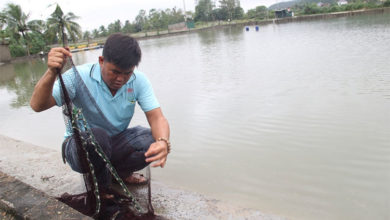
In 2025, the Quang Tri Provincial Extension Centre supported Ho Van Tho’s family in An Binh village, Hieu Giang commune, covering 50% of the costs for juveniles, commercial feed, and probiotics to trial-farm 0.2 ha of giant freshwater prawns.
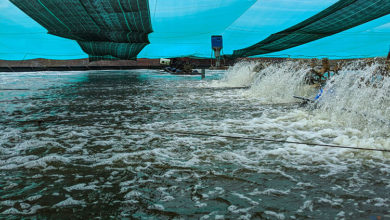
Tho explained that he had previously cultivated traditional freshwater species such as grass carp, silver carp, common carp, and tilapia, but returns were limited and production was vulnerable to disease. Upon receiving support, he renovated and reinforced his pond, carried out thorough cleaning, and installed aerators. Throughout the trial, provincial extension staff closely monitored the prawns’ growth and offered guidance to manage potential disease issues.
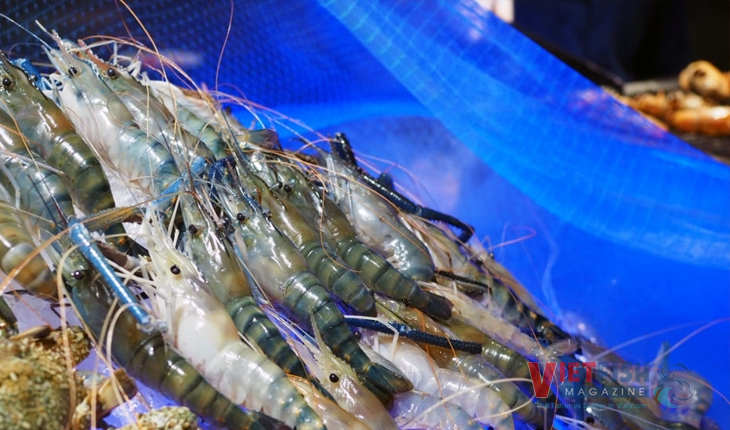
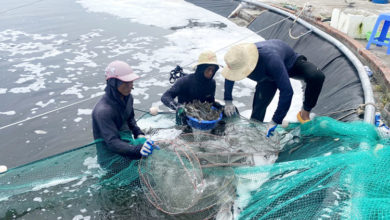
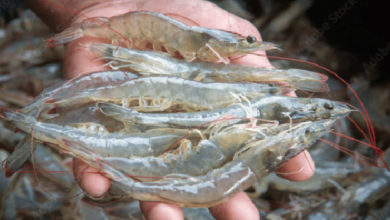
After six months, prawns reached an average size of 20 per kg, with survival rates exceeding 66%, yielding around 1.32 tonnes (6.6 tonnes/ha). At an average market price of VND 250,000/kg, after costs, Tho achieved a net profit of VND 80 million for 0.2 ha, equivalent to VND 400 million/ha.
According to Tho, giant freshwater prawn farming offers much higher returns than traditional species, though initial investment is substantial. Water must be properly treated before entering the pond, and key environmental parameters such as pH and alkalinity require regular monitoring. Juveniles must be of high quality. From the second month, 30-40% of pond water should be exchanged periodically, combined with probiotics to maintain water quality and stimulate molting. Digestive enzymes, vitamins, and minerals can be added to feed or applied directly to the pond to boost prawn immunity.
Giant freshwater prawns are known to be cannibalistic, particularly during molting. Providing structured shelters such as branches or clusters of coconut leaves improves survival by offering prawns safe spaces to hide.
“Giant freshwater prawns are highly adaptable and relatively disease-resistant, with low production risk. They can be harvested in just six months, much faster than carp species, which require 10-12 months, while delivering superior economic returns,” Tho said.
Phan Van Phuong, Deputy Director of the Quang Tri Provincial Extension Centre, added that the trial confirmed the species’ excellent adaptability to local climate, weather, and soil conditions. Despite fluctuating weather and seasonal changes, which often affect agriculture, giant freshwater prawns thrived with high survival rates.
To achieve optimal yields, farmers must understand the species’ biology, select juveniles of known origin with uniform size and bright coloration, avoid overly high stocking densities (ideally no more than 20 prawns/m²), and manage feed carefully. Proper pond preparation and water treatment according to technical guidelines remain crucial for successful production.
VFM