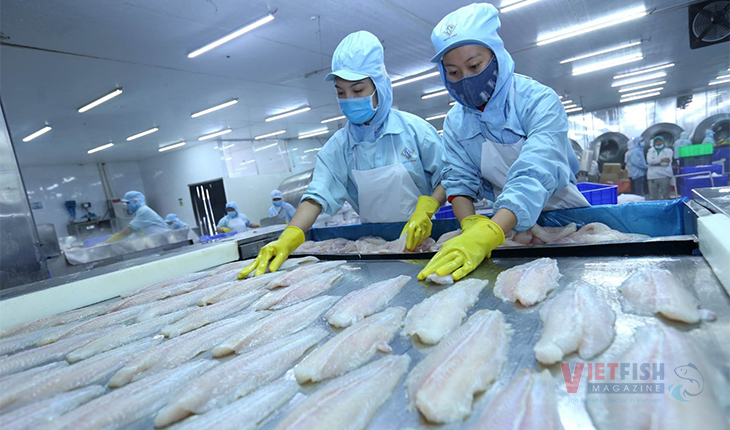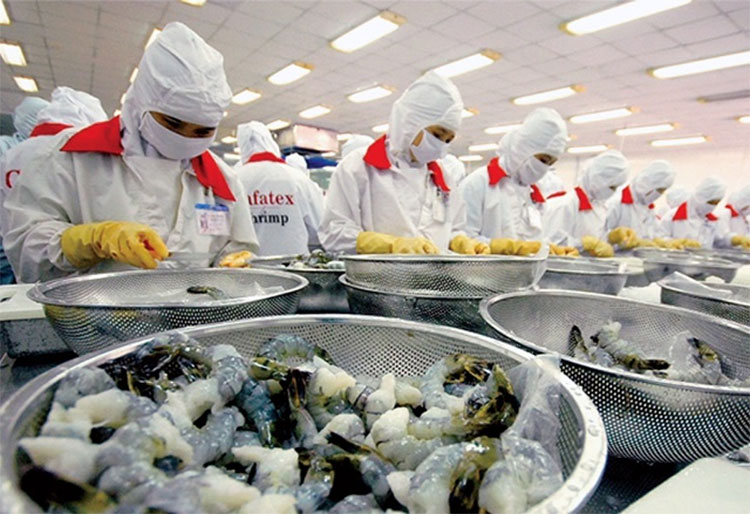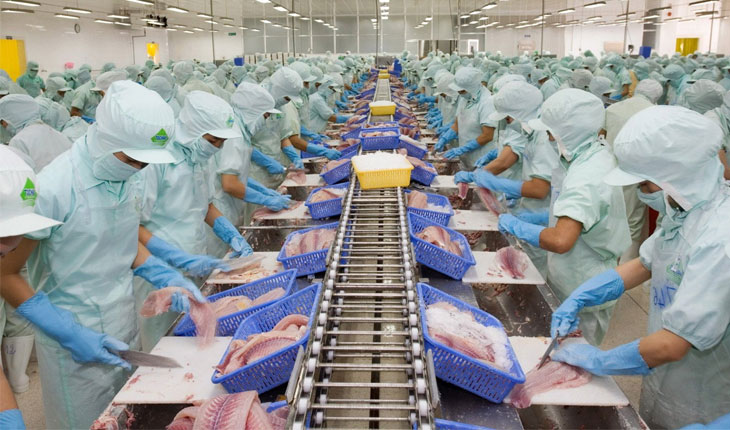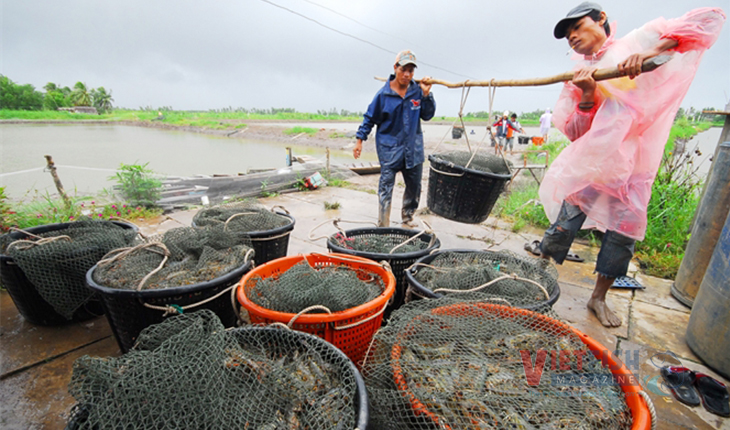

Vietnam’s pangasius exports to China and Hong Kong reached USD 483 million in the first 10 months of 2025, up 1% year on year. October alone brought in USD 73m, the highest monthly value since January and a 19% increase versus the same month last year. China continues to account for nearly 27% of Vietnam’s total pangasius export value.
The October rebound followed a muted Q3, when slower retail turnover and elevated inventories curbed import appetite. Traders told Undercurrent the recovery was supported by improved off-take in tier-2 and tier-3 cities, where frozen pangasius fillets remain a staple in the mass-market frozen category. Even so, buyers remain cautious with forward contracts, signaling limited visibility for Q1 2026.
Rising tilapia volumes shift competitive dynamics
Competitive pressure is tightening as Chinese tilapia processors divert more volume into the domestic market amid persistent export constraints. After the Oct. 30 meeting between Chinese and US leaders, Washington lowered tariffs on Chinese tilapia from 55% to 45% and postponed the next round of retaliatory duties until November 2026. However, sources note the tariff relief is “not meaningful enough” to restore US-bound shipments to pre-trade-war levels.

With US access still restricted, Chinese suppliers are expected to push an additional 80,000-100,000 metric tons of tilapia into the domestic channel over the next 12 months, according to industry forecasts. This influx is likely to intensify price competition in the low-cost whitefish segment, directly overlapping with Vietnam’s frozen pangasius fillet category.
Vietnam’s processors report early signs of pricing pressure, with Chinese importers requesting offers USD 50–80/ton lower for standard frozen fillets (IQF, 100-170g) compared with early-2025 levels. Margins for Vietnamese packers, already squeezed by higher feed costs and stricter farming compliance, are expected to narrow further if discounting accelerates.
High concentration and a flattening demand curve
China remains a critical outlet for Vietnam due to strong mass-market demand and logistics advantages, freight costs remain 30-40% lower than shipments to the Middle East or South America. Yet the sector’s dependence on a single market poses structural risks. Import regulations for pangasius have tightened steadily since 2023, including stricter HS code compliance, heightened inspections on additives, and more rigorous cold-chain verification.
Analysts warn that demand for traditional frozen fillets is showing signs of flattening as Chinese consumers, especially urban younger buyers, shift gradually toward diversified protein options, including ready-to-cook seafood and branded value-added meals.
Move up the value chain
Premium analysts say Vietnamese producers will need to accelerate movement toward higher-margin segments – deep-processed fillets, portioned cuts, seasoned products, and retail-ready packaging to maintain competitiveness. These items currently account for less than 10% of Vietnam’s exports to China but deliver margins 15-25% higher than standard frozen fillets.
Exporters are also being urged to widen market distribution, especially in the Middle East, Latin America, and Eastern Europe, where pangasius demand is growing off a low base and competitive pressure is lighter.
Holiday-driven buying is expected to lift China-bound pangasius shipments in November and December, but traders emphasize that the late-year strength “should not be mistaken for a broad recovery.” Competitive pressure from tilapia and tightened import controls are likely to keep pricing under pressure heading into early 2026.
Vietnam’s pangasius industry enters 2026 with stable demand but deepening margin challenges, a market where volume may hold, but profitability will be harder to defend.
VFM