
Japan’s whitefish market is showing clear differentiation among suppliers, with Vietnam maintaining its role as a stable and high-potential exporter, ranking third after the U.S. and Russia. Benefiting from CPTPP tariff concessions and the ability to meet strict Japanese standards, Vietnamese pangasius continues to see steady growth.
According to ITC data, Japan’s imports of whitefish grew in the first eight months of 2025. In the first nine months, Vietnam exported USD 34 million worth of pangasius to Japan, up 14% year-on-year. September alone saw exports rise 12% compared to September 2024. Frozen pangasius fillets remain the main export product, reaching nearly USD 30 million, up 11%, while value-added (V.A.) pangasius products surged 47%. Other pangasius products, including fresh, frozen, whole, or cut portions, also rose 39%, reflecting expanding consumer demand.
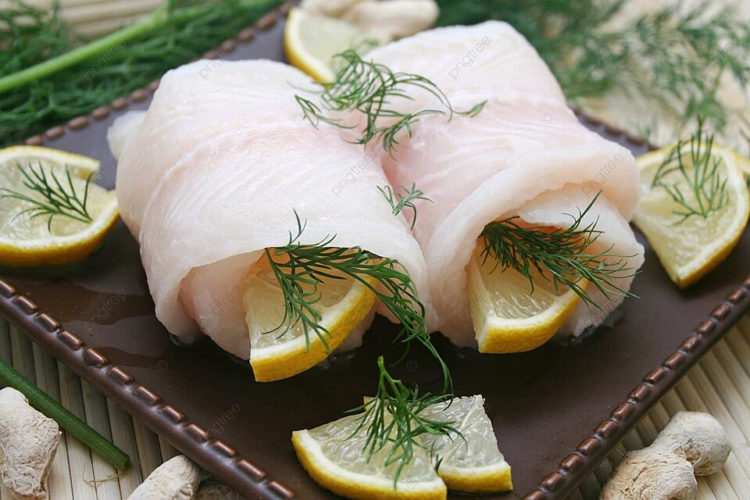
Vietnamese pangasius now ranks just behind Alaska pollock fillets in Japan’s whitefish consumption, increasingly used in food processing, restaurant chains, and retail. The inclusion of pangasius on the menu of Kura Sushi, a leading Japanese sushi chain, underscores the growing presence of Vietnamese seafood in the highly selective Japanese market.
Competitive pressure from Russia is rising, as Moscow seeks to expand exports to Asian markets to offset declining sales to Europe. Vietnamese exporters are encouraged to diversify V.A. products, including pre-portioned fillets, battered, ready-to-cook, or foodservice-ready items, while strengthening certifications, traceability, and production transparency to reinforce trust with Japanese importers.
With steady growth, CPTPP tariff support, and a shift toward sustainably farmed seafood, Japan remains a key market for Vietnamese pangasius, offering opportunities to expand market share and enhance the global value of Vietnam’s seafood brand.
VFM