
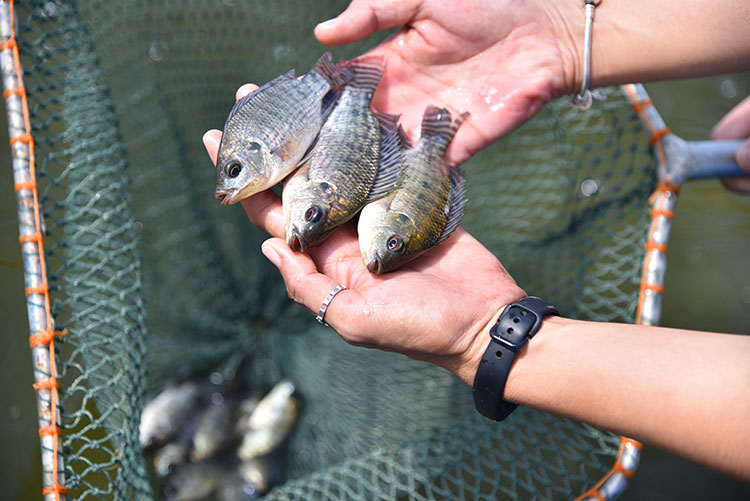
Vietnam is positioning tilapia as its next strategic aquaculture export, building on the success of pangasius and shrimp. Experts say the country has both the technical foundation and market potential to scale up production and compete globally.
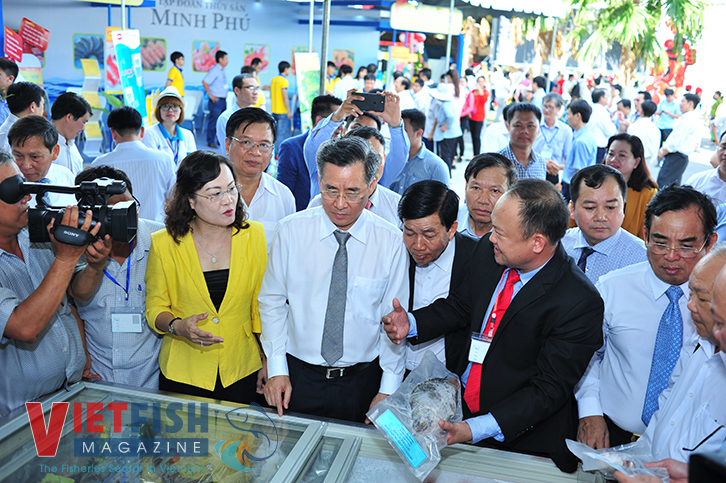
At a national forum on tilapia production and consumption held on 17 October in Hai Phong City, the Department of Fisheries and Fisheries Surveillance (under the Ministry of Agriculture and Environment) gathered scientists, industry players, and policymakers to outline a roadmap for high-value supply chain development. The goal: to make tilapia one of Vietnam’s leading export species.
Deputy Director General Nhu Van Can reported that in 2024 Vietnam farmed tilapia on 42,000 hectares, producing 316,000 tonnes and earning over USD 40 million in exports, marking an increase of more than 11% compared to 2020. Hai Phong led northern provinces with more than 39,000 tonnes, ranking just behind Dong Thap and An Giang. Globally, tilapia output has reached 7.1 million tonnes and is projected to hit 9 million tonnes by 2030.
According to Dr Bui Ngoc Thanh, Technical Director at the U.S. Soybean Export Council in Vietnam, tilapia has become a cornerstone species in global aquaculture. He stressed that Vietnam needs to standardize quality, enhance transparency, build stronger linkages among farmers, processors and distributors, and develop a recognizable “Vietnam Tilapia” brand grounded in sustainable sourcing.
To accelerate growth, Ngo The Anh, Head of Aquaculture at the Department, outlined eight priority actions:
- Plan and develop concentrated farming zones with improved infrastructure and access to high-quality broodstock.
- Apply modern farming and disease management technologies while promoting sustainable, affordable feed sources.
- Strengthen cooperation through cooperatives and contract-farming models linked to exporters.
- Expand domestic consumption, invest in deep processing, and secure certification under VietGAP, ASC, or BAP.
- Improve credit access and green financing for innovation and low-emission technologies.
- Enhance traceability, quality control, and compliance with international standards.
Industry representatives at the forum highlighted the need for better access to quality broodstock and financial support to scale sustainable production. They proposed establishing a Green Development Fund and improving loan accessibility to promote eco-friendly technologies.
Deputy Director Can confirmed that the Department will review and update relevant regulations to align with the upcoming National Fisheries Development Plan for Reservoirs. Local authorities are encouraged to tailor tilapia strategies to local ecological conditions, ensure broodstock quality, and maintain water standards.
The Department pledged continued engagement with farmers and businesses to refine policies that will support sustainable expansion. Delegates also urged the Ministry to strengthen technology transfer, clarify export standards, and link producers with reliable buyers, ensuring Vietnam’s tilapia industry grows competitively and responsibly in global markets.
VFM