
Vietnam steps up tuna strategy to target Japan and South Korea
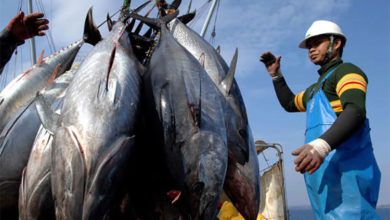
Vietnam is sharpening its tuna export strategy to penetrate two of Asia’s most demanding yet high-potential markets, Japan and South Korea, where rising seafood consumption and evolving preferences are reshaping import dynamics. Industry stakeholders are eyeing these destinations not only for their size, but also as benchmarks for upgrading Vietnam’s tuna value chain.

Competitive position
Japan and South Korea are among the top tuna-consuming markets in Asia, each with distinct preferences. Japan, the world’s largest market for sashimi-grade tuna, prioritizes freshness, texture, and color, particularly for raw consumption. South Korea, by contrast, has growing demand across fresh, frozen, canned, and ready-to-eat segments.
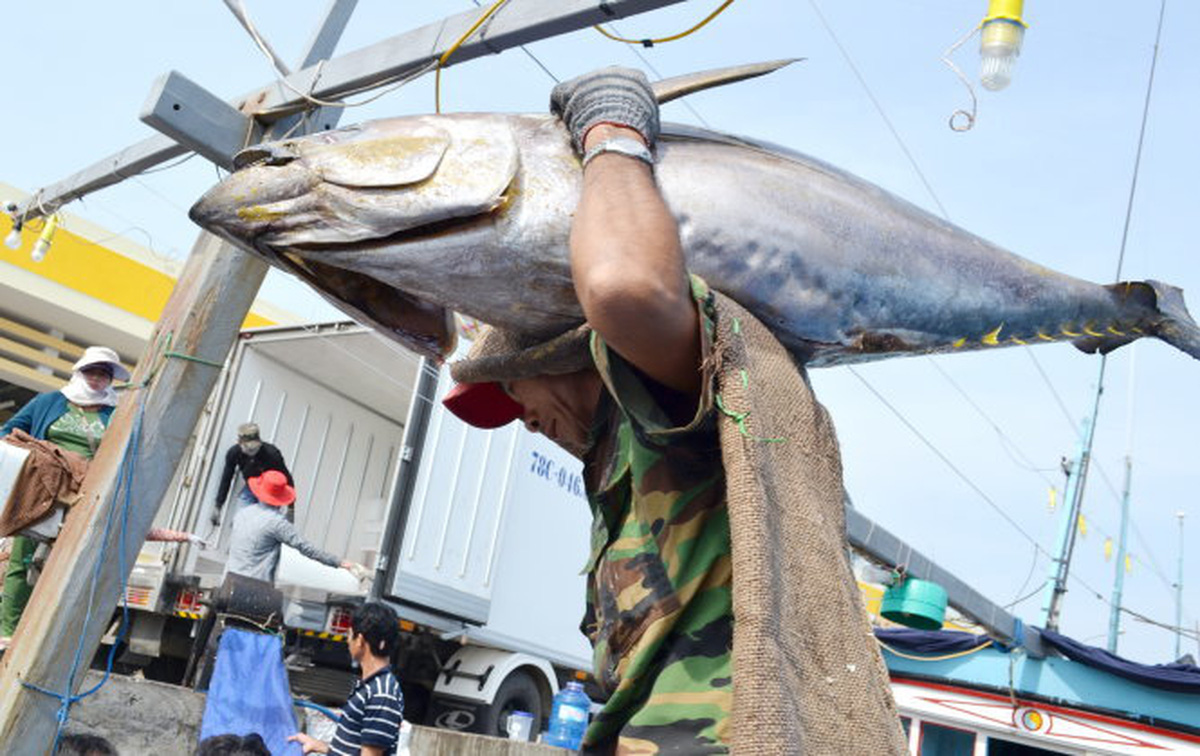
Vietnam’s central coast from Binh Dinh to Khanh Hoa hosts rich tuna fishing grounds, positioning the country within short transit range of Northeast Asia. This proximity supports freshness retention and lower logistics costs. The country also benefits from tariff reductions under regional trade agreements such as the Regional Comprehensive Economic Partnership (RCEP).
Vietnam exported approximately USD 795 million worth of tuna in 2024, with the U.S. and EU being its largest buyers. Japan and South Korea, however, represent under-tapped opportunities.
Key challenges
Despite favorable geography and resources, Vietnam’s tuna exports remain largely raw or semi-processed, limiting value capture. A significant bottleneck lies in the cold chain infrastructure. Maintaining sashimi-grade quality from catch to shelf requires rapid chilling at sea, consistent low-temperature storage, and seamless transportation, areas where Vietnam lags behind more established exporters.
In addition, the lack of strong branding and marketing in high-end markets weakens Vietnamese tuna’s positioning. Competitors such as Japan, South Korea, and Thailand maintain vertically integrated supply chains and are able to deliver consistent, premium-quality products.
Strategy for growth
To expand its footprint, Vietnam’s industry players are investing in high-value product development and export readiness.
- Processing upgrade: Several processors are moving into vacuum-packed tuna fillets, portioned loins, and ready-to-eat formats targeting retail and foodservice channels in South Korea and Japan. Cold storage and on-board handling practices are being improved to meet sashimi standards.
- Brand development: Exporters are seeking visibility through international seafood shows and sustainability certifications. The industry is exploring origin-driven marketing narratives, emphasizing responsible fishing practices and coastal livelihoods, to differentiate Vietnamese tuna from mass-market suppliers.
- Value chain integration: Enhanced collaboration between fishers, processors, and exporters is seen as key to ensuring quality consistency and reducing supply chain risks. Pilot programs focused on traceability and selective fishing gear have been launched in Binh Dinh and Phu Yen.
While Japan and South Korea currently represent modest shares in Vietnam’s tuna export portfolio, their premium potential and consumer sophistication make them strategic targets. Industry experts say that increasing investment in post-harvest technology and market intelligence will be essential for Vietnam to secure a foothold in these competitive markets.
“Accessing these markets is not just about volume, it’s about quality, consistency, and story,” said a representative from a leading tuna exporter in Khanh Hoa.
As global demand for responsibly sourced and higher-value tuna grows, Vietnam’s ability to align with these expectations could define the next phase of its tuna industry’s evolution.
VFM