
Middle East conflict threatens Vietnam’s seafood exports
Vietnam’s seafood exports to the Middle East fell 12% in the first five months of 2025 as the escalating Israel-Iran conflict disrupted shipping routes and raised costs across the region.

The conflict erupted on June 13 with Iran’s “Rising Lion” campaign, spreading instability and complicating logistics along the Suez-Red Sea corridor. Vietnamese exporters face higher shipping and insurance costs, customs delays in Egypt, Iraq and the UAE, and rising fuel prices that are squeezing profit margins, especially for frozen seafood. Smaller firms have struggled to maintain long-term orders.

The Middle East has been a key growth market for Vietnam, with exports nearly doubling from USD 198 million in 2020 to USD 366 million in 2024. Despite global economic headwinds, shipments to the region still rose 18% in 2024.
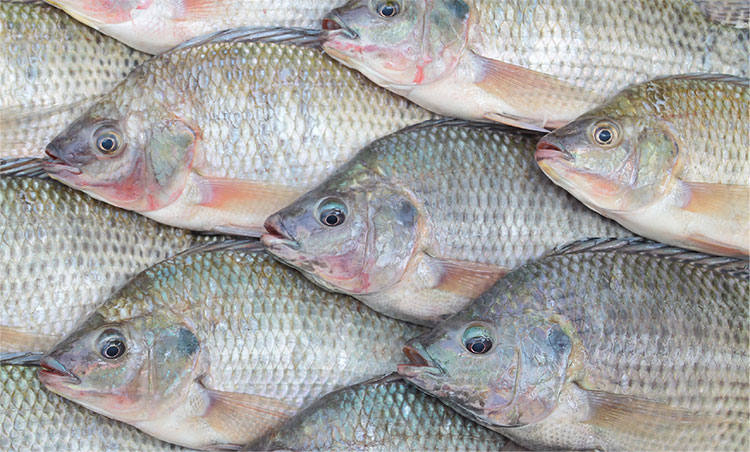
Tuna and pangasius account for around 70% of total export value. Canned and oil-packed tuna is popular in the region, while frozen pangasius fillets and whole fish supply retail and food-service demand. Markets such as the UAE, Qatar, Kuwait and Egypt continue to show strong consumption potential, supported by young populations, a growing middle class and expanding tourism.
Halal certification remains a competitive advantage for Vietnamese producers. Industry officials say maintaining access will require expanding Halal-certified facilities, investing in value-added processing such as canned tuna and peeled cooked shrimp, and meeting international standards for pangasius products.
VFM