
Khanh Hoa accelerates sustainable marine farming
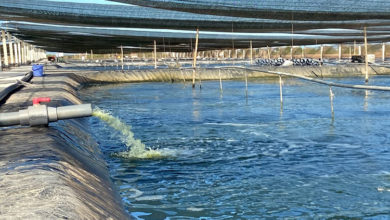
Khanh Hoa province is stepping up its high-tech aquaculture sector, combining rising output and export value with efforts to protect marine ecosystems and adapt to climate change.

Investment in technology and offshore expansion
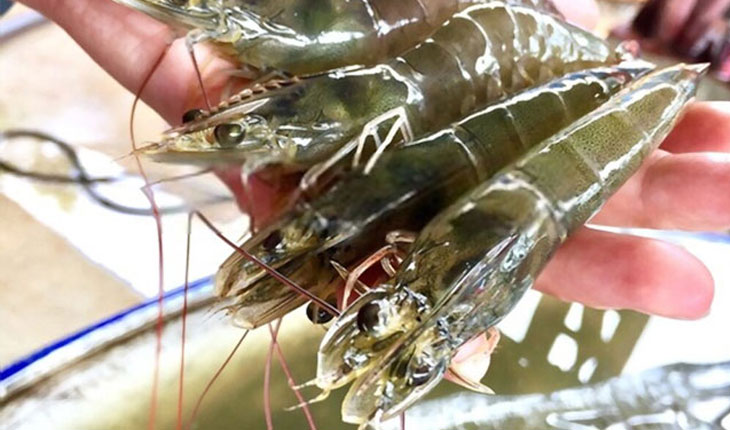
In the first half of 2025, Khanh Hoa’s seafood output topped 134,000 tonnes, including 20,200 tonnes from aquaculture. Seafood exports reached USD 391.1 million, accounting for nearly one-third of the province’s total exports. More than 3,300 farms with 147,000 cages now operate in the province, mainly concentrated in the north, producing species such as lobster, babylonia snails, geoduck, and high-value marine fish.
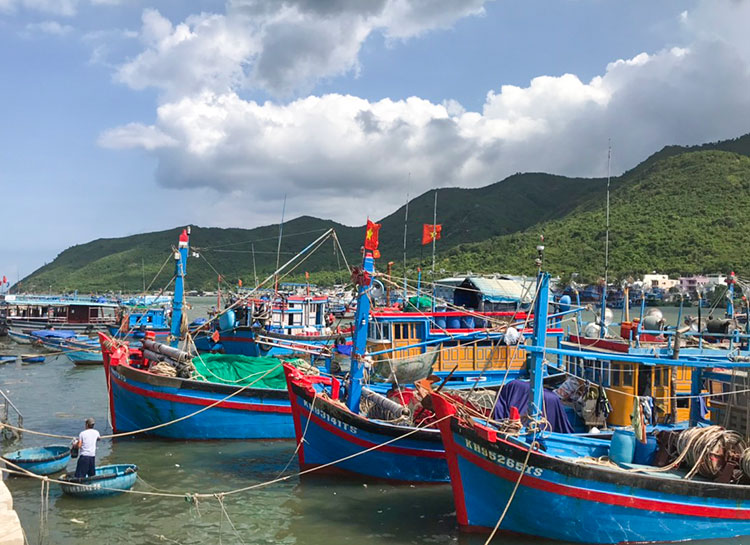
To boost efficiency, farmers are being encouraged to replace traditional wooden cages with HDPE and FRP plastic systems. Early results have been striking: cobia farming yielded a 172% profit margin, lobster 112%, and grouper 131%.
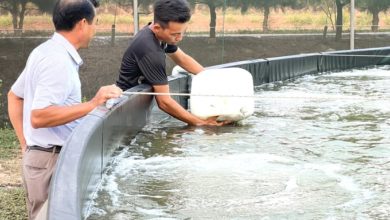
This year, with support from the Thien Tam Fund (Vingroup), an additional 70 households are expected to join high-tech farming schemes. In Dam Bay, five households have stocked 68,800 fingerlings and secured licenses to operate 3–6 nautical miles offshore, with projected yields of 20–30 tonnes per household annually.
Hon Noi, one of the province’s offshore pioneers, has seen 16 households install 30 circular cages and two HDPE square cage clusters. The technology reduces storm risks, improves biosecurity, and enhances product quality.
“With HDPE cages in clean waters, fish grow stronger, face fewer diseases, and perform far better than in wooden cages,” said farmer Vu Khac Muoi of Dam Bay.
Provincial authorities say the combined efforts of government and industry reflect a strong commitment to building a modern, safe, and environmentally friendly aquaculture sector. Going forward, plans include further cage conversion, aquaculture zoning, and allocating sea space for regulated, sustainable growth.
Addressing weaknesses to unlock potential
Despite recent progress, challenges remain. According to Khanh Hoa’s Sub-Department of Fisheries, Seas and Islands, the rapid expansion of cages has strained management capacity, created environmental pressures, and interfered with navigation, especially in Cam Ranh Bay. Authorities have increased patrols and inspections to tighten oversight.
Marine farming is still dominated by small-scale, nearshore operations using wooden, bamboo, or steel cages, which are vulnerable to storm damage. Reliance on fresh feed, high stocking densities, and outdated technology have contributed to water pollution. Farmers also struggle with limited access to quality seed and skilled labor. High upfront costs and long production cycles continue to deter enterprise investment, while weak market linkages leave many farmers dependent on small traders.
To address these issues, the province is finalizing new policies and zoning plans. Draft support measures include subsidies for cage material upgrades and worker insurance.
On 4 September 2025, the provincial People’s Committee issued Regulation No. 19 on cage farming in Cam Ranh Bay. The rules require HDPE or FRP cages capable of withstanding wind levels 6-7 and waves of 2-4 meters. Cage clusters must be spaced at least 30 meters apart, and on-site living quarters must meet hygiene standards with separate toilets and proper storage facilities.
Farmers must also use certified seed and are encouraged to shift to formulated feeds to reduce pollution. Waste must be centrally treated, while mortalities must either be processed with probiotics or removed to shore within two days.
The regulation sets a clear compliance timeline: 10% by the end of 2025, 50% by 2026-2027, and full compliance by 2029. All new farms must comply immediately. Local authorities will monitor implementation, penalize violations, and reward farms adopting best practices.
VFM