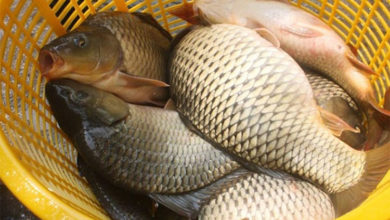

Vietnam’s seafood exports have maintained strong growth this year, but rising protectionism, stricter technical standards and increasingly unpredictable retaliatory tariffs are creating fresh headwinds for the industry, officials and industry representatives said.
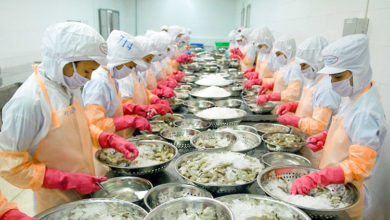
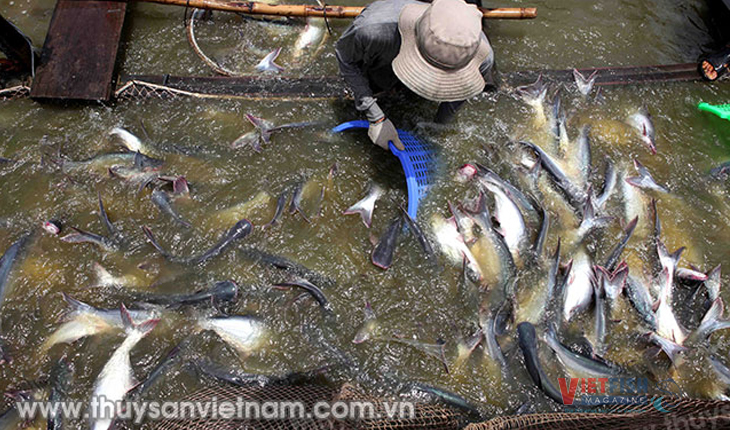
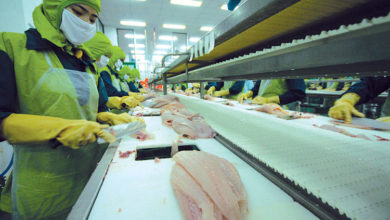
Vietnam’s total seafood output in the first 10 months of 2025 exceeded 8 million tonnes, up 3.1% from a year earlier, Tran Thuy Que Phuong, deputy secretary general of the Vietnam Association of Seafood Exporters and Producers (VASEP), told a conference on trade defence and global market volatility. Export revenue reached USD 9.5 billion over the period, a 16% increase, and is projected to rise to about USD 11 billion for the full year. Shrimp and pangasius remained the country’s two largest export products, generating USD 3.9 billion and USD 1.8 billion respectively.
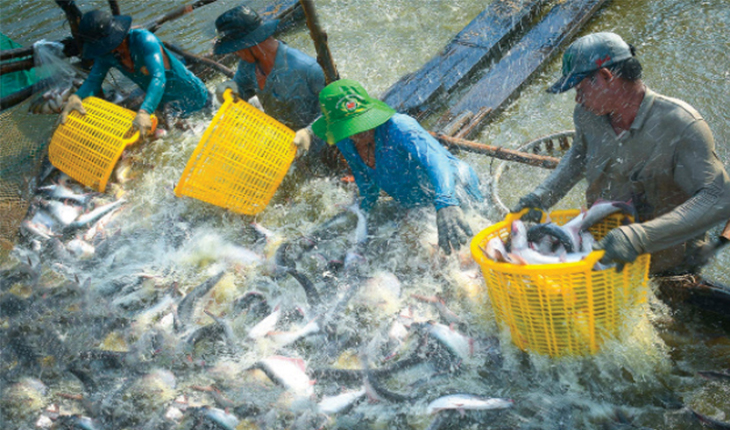
Despite the gains, the outlook for key markets remains challenging. The United States has tightened tariff measures and increased risks related to compliance with the Marine Mammal Protection Act (MMPA), while the European Union has yet to lift its “yellow card” warning over illegal, unreported and unregulated (IUU) fishing. A weak yen has weighed on demand in Japan, consumption in South Korea is recovering only gradually, and competition in China, Vietnam’s largest seafood market, is intensifying. Domestically, exporters are grappling with higher input and logistics costs, along with prolonged anti-dumping investigations and volatile retaliatory tariffs.
As of November 2025, Vietnamese goods were subject to 298 trade remedy investigations worldwide, Nguyen Hang Nga, deputy head of the Trade Remedies Investigation Division at the Ministry of Industry and Trade, said at the event. The figure marks a sharp increase from the period before 2010. Pangasius and shrimp exports to the United States are among the most frequently targeted, with cases often lasting several years and discouraging importers, she said. Washington’s continued refusal to recognise Vietnam as a market economy has resulted in higher duties for Vietnamese seafood, a methodology that some other countries are beginning to apply as well.
In response, VASEP has called on the government and relevant ministries to intensify efforts to remove the EU’s IUU “yellow card”, step up high-level engagement with U.S. authorities to demonstrate compliance with the MMPA ahead of a Jan. 1, 2026 deadline, and introduce support measures to help exporters cope with what the association described as “stacked taxes”. It has also urged steps to reduce logistics costs, strengthen trade promotion and establish an early-warning system for trade defence risks.
Luong Hoang Thai, head of the Trade Remedies Authority of Vietnam, said the country should move towards building a comprehensive “trade defence ecosystem”. Under the approach, local authorities would supply early data, industry associations would coordinate responses, internationally experienced consultants and lawyers would provide technical support, and state agencies would serve as a central hub for information, negotiations and policy actions. Support, he said, should be focused on viable business models and competitive companies rather than spread broadly.
Officials and industry representatives said stronger coordination between regulators, associations and businesses would be critical to improving the sector’s resilience, sustaining long-term growth and helping Vietnam achieve its USD 11 billion seafood export target for 2025.
VFM