
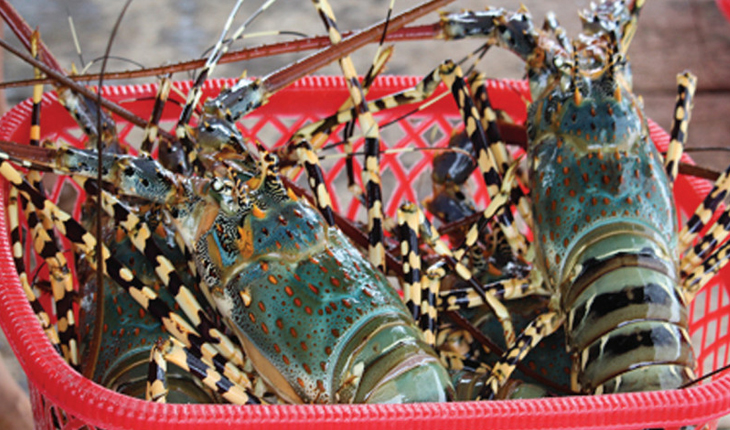
Vietnam’s lobster exports surged 134% year on year in the first 10 months of 2025, topping USD 712m as booming demand from China offset growing headwinds in the US market, according to VASEP.
Vietnam’s lobster exports emerged as the seafood sector’s standout performer in the first 10 months of the year, with export value jumping 134% year on year to more than USD 712 million, driven largely by strong demand from China and Hong Kong, the Vietnam Association of Seafood Exporters and Producers (VASEP) said.
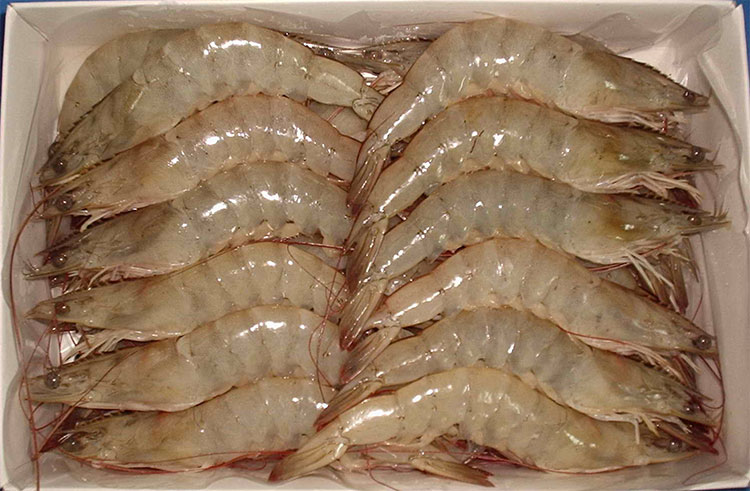
Shrimp remained the backbone of the industry, generating over USD 3.9 billion in export revenue during the January-October period. However, lobster outpaced all other products, benefiting from rising consumption of live and premium seafood in China, particularly through high-end retail and HORECA channels in mainland China and Hong Kong.
Pangasius, Vietnam’s second-largest seafood export item, brought in USD 1.8 billion over the period. Tilapia recorded sharp growth of 220% to reach USD 62 million, supported by improving demand in the United States and Europe.
By contrast, tuna exports continued to struggle, totaling about USD 791 million, down nearly 4% year on year. VASEP cited shortages of skipjack raw material for canning and disruptions linked to Middle East tensions, forcing some processors to scale back output or shift toward higher-value loin products to control costs.
Squid and octopus showed a clear recovery trend, with export turnover exceeding USD 627 million in the first 10 months, supported by stronger buying from Japan, South Korea and the United States. Fish cakes and surimi also performed well, reaching USD 291 million, up 24% year on year.
China, including Hong Kong, remained Vietnam’s largest and fastest-growing market, with export value exceeding USD 2 billion, up more than 32%. Lobster, marine fish and live seafood recorded particularly strong year-end demand.
The US market, however, showed signs of cooling from the third quarter onward. Although total seafood exports to the US reached USD 1.66 billion over 10 months, shipments slowed after Washington imposed a 20% reciprocal tariff in August. Exports of shrimp and pangasius both declined in September and October as Vietnamese exporters cut volumes to limit exposure.
VASEP warned that the US will remain a high-risk market due to the combined impact of anti-dumping duties and the enforcement of the Marine Mammal Protection Act (MMPA), which is expected to affect wild-capture seafood exports from early 2026.
Under the MMPA, seafood-exporting countries must demonstrate that their fisheries meet US standards for minimizing incidental mortality or serious injury to marine mammals. Vietnam faces mounting pressure after the US National Oceanic and Atmospheric Administration declined to recognize 12 Vietnamese fisheries as compliant, raising the risk of import bans from Jan. 1, 2026. Species potentially affected include grouper, blue swimming crab, mackerel, tuna, swordfish, squid and snapper.
Elsewhere, exports to Japan continued to recover, reaching nearly USD 1.45 billion, driven by shrimp, squid and pasteurized crab products. Shipments to the EU totaled USD 985 million, supported by the easing of certain technical barriers, while South Korea maintained double-digit growth, with exports hitting USD 725 million on strong demand for squid, octopus and surimi.
CPTPP member markets such as Canada, Australia and Japan remained among the fastest-growing destinations, benefiting from preferential tariff treatment.
Looking ahead to 2026, VASEP cautioned that Vietnam’s seafood sector will face increasing challenges, including the potential extension of US reciprocal tariffs, MMPA enforcement, the risk of the EU maintaining its IUU yellow card, and intensifying competition from suppliers such as India, Ecuador and Indonesia. To sustain growth, the association said exporters will need to diversify markets, expand value-added production and accelerate investment in processing technology to meet tightening sustainability requirements.
VFM