
Vietnam seafood exports to Japan rise 15% as consumers shift to affordable, convenient products

Vietnam’s seafood exports to Japan rose 15.2% year-on-year to USD 1.44 billion in the first 10 months of 2025, supported by growing demand for affordable and convenient products despite mounting macroeconomic pressure in the Japanese market, according to the Vietnam Association of Seafood Exporters and Producers (VASEP).
The performance came as Japan continued to grapple with inflation, a sharply weaker yen and subdued household spending, factors that have reshaped seafood consumption patterns.
Whiteleg shrimp remained Vietnam’s largest export category to Japan, generating USD 324.1 million, up 15.1% year-on-year and accounting for more than 22% of total shipments.
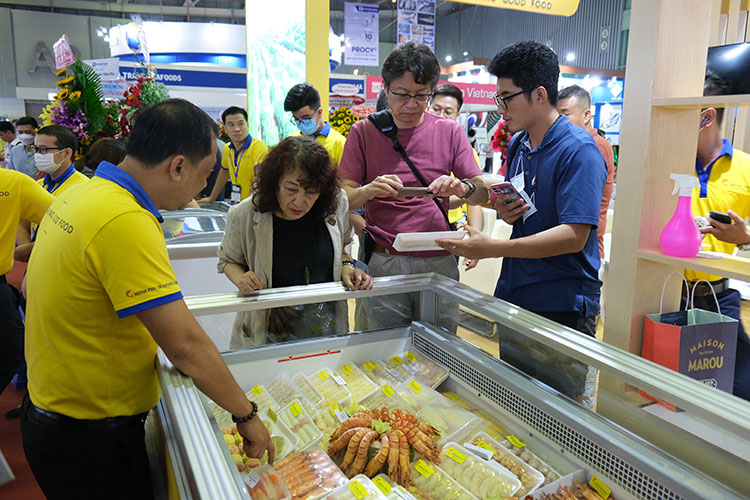
Salmon ranked second, with exports rising 9.45% to USD 224 million, while crab exports climbed 24.2% to nearly USD 100 million over the same period.
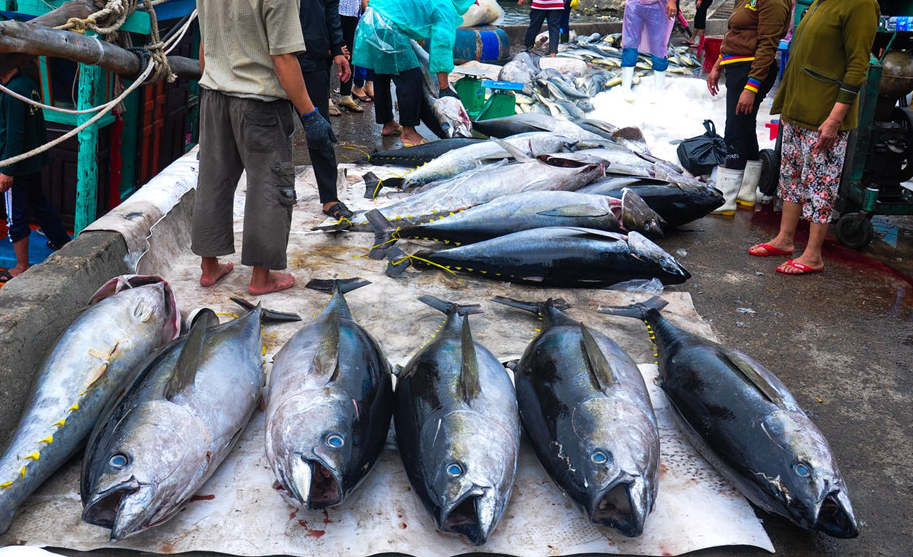
Exports of mackerel recorded the strongest growth, jumping 35.6% year-on-year to USD 116.6 million. VASEP said the surge reflects both Vietnam’s supply capacity and a clear shift among Japanese consumers toward lower-priced, easy-to-prepare seafood amid tighter household budgets.
In contrast, exports of black tiger shrimp declined 3.2% year-on-year to USD 79 million, highlighting increasing competitive pressure in the premium shrimp segment.
Japan market restructuring
Citing data from Japan’s Ministry of Agriculture, Forestry and Fisheries (MAFF) and the Japan Fisheries Agency (JFA), VASEP said Japan’s seafood market is undergoing a structural adjustment.
Per capita seafood consumption has fallen to 23.2 kg per year, extending a decade-long decline. At the same time, Japan’s seafood self-sufficiency rate has slipped to around 59%, remaining at historically low levels.
As a result, Japan continues to import more than USD 20 billion worth of seafood annually.
Weak consumer demand has driven increased preference for reasonably priced and convenient species such as mackerel, saury and herring, particularly for household consumption and institutional catering.
Japanese retailers are also tightening sustainability and traceability requirements, including ASC and MSC certification, increasing compliance pressure on suppliers.
Implications for Vietnamese suppliers
VASEP said Vietnam is well positioned in marine fish categories that are seeing rising demand in Japan, while whiteleg shrimp remains competitive due to stable quality and large-scale production.
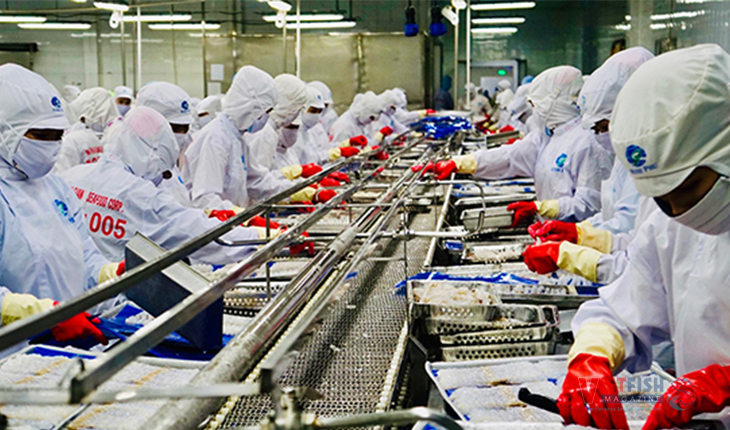
Vietnam’s processing capacity gives it an advantage as Japanese buyers increasingly prioritize value-added and ready-to-cook products. Long-standing trade relationships also support Vietnam’s position, as Japanese importers continue to favor supply stability.
However, the market remains highly demanding, with strict residue controls and quality standards requiring consistent compliance.
Vietnamese exporters also face intensifying competition from Thailand, Indonesia, India and China, particularly in lower-priced shrimp and marine fish segments. The weak yen has further increased price pressure, squeezing exporter margins.
Despite these challenges, VASEP said Vietnam’s export performance over the past 10 months demonstrates resilience and adaptability.
As Japanese demand continues to shift toward affordable, safe and convenient seafood, Vietnam is increasingly positioned as a key supplier, provided exporters continue to invest in value-added processing, sustainability certification and quality consistency.
VFM