
Vietnam’s Dong Thap province is restructuring its fishing sector as mounting pressure on nearshore fish stocks and marine ecosystems threatens the long-term viability of the industry, provincial authorities said.
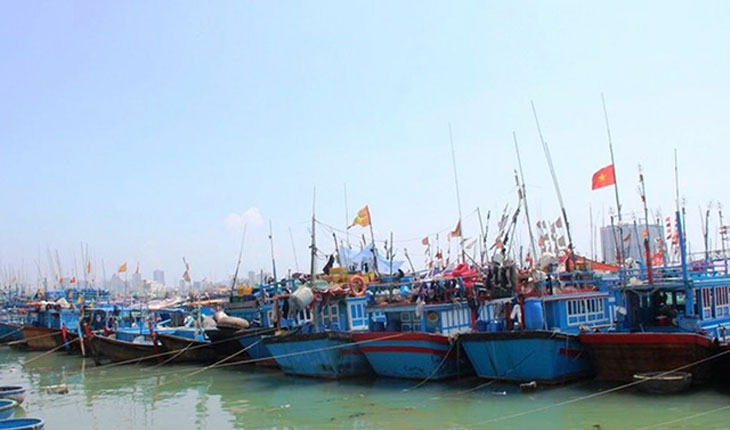
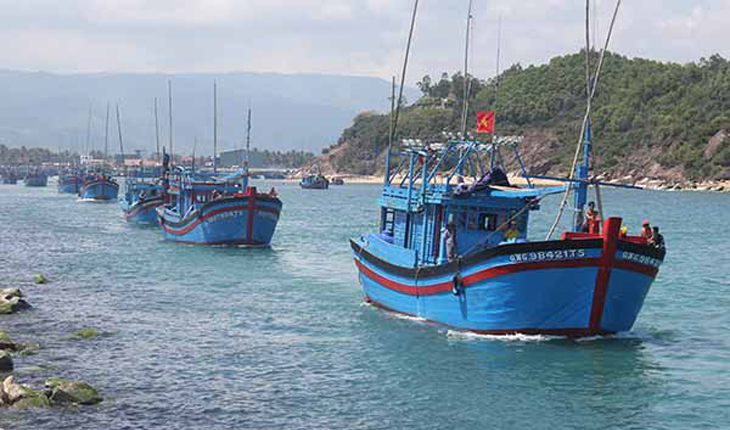
Dong Thap has 1,523 fishing vessels with a combined engine capacity of nearly 554,000 horsepower, including 1,182 fishing boats and 341 logistics vessels, employing about 9,590 workers, according to official data.
Fishing remains an important source of income for thousands of households in the province, but officials say the dominance of small-scale vessels operating close to shore has accelerated resource depletion. Many boats use trawl nets, traps and small-mesh gear, which are widely regarded as having a high environmental impact.
Trawling has been identified as a major contributor to seabed degradation and declining fish stocks. Its economic returns have also weakened. By the end of 2025, Dong Thap had about 495 trawlers, the largest single group in its fleet, with the number of loss-making vessels rising.
“The first years after borrowing money to invest were still profitable, but later fish stocks declined and fishing became less effective,” said Bui Van Ton, a fisherman from Gia Thuan commune who has sold two of his three vessels after years of shrinking returns.
Under a provincial transition plan, Dong Thap aims to phase out fishing practices that harm marine resources and bring fleet capacity more in line with the recovery potential of fish stocks.
Between 2026 and 2030, the province plans to reduce fleet capacity through a zone-based approach. In nearshore waters, about 5% of vessels using gillnets and hook-and-line gear will be cut or converted each year, reducing the fleet by 76 vessels from 307 by 2030.
In near-offshore waters, capacity will be reduced by around 4% annually, mainly targeting trawlers and other high-impact gear, equivalent to 56 vessels out of 282. Offshore, where vessels are at least 15 metres long, capacity will be cut by 1.5% a year, or 70 vessels from a total of 934.
After 2030, Dong Thap aims to complete the transition away from fishing methods that significantly affect marine ecosystems, while improving productivity and efficiency across the remaining fleet. Authorities say fishermen affected by the changes will be supported in finding alternative employment.
The restructuring will be accompanied by tighter enforcement of fisheries regulations, including tougher inspections and penalties for illegal, unreported and unregulated (IUU) fishing, officials said. Dong Thap will also limit approvals for new vessels or conversions involving banned or restricted gear and publish fishing licence quotas for nearshore and near-offshore waters for the 2024–2029 period.
Officials say the measures are intended to protect marine resources, improve fleet management and stabilise fishermen’s livelihoods as the province pursues a more sustainable fisheries sector.
VFM