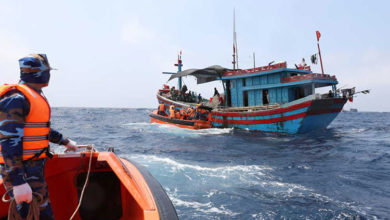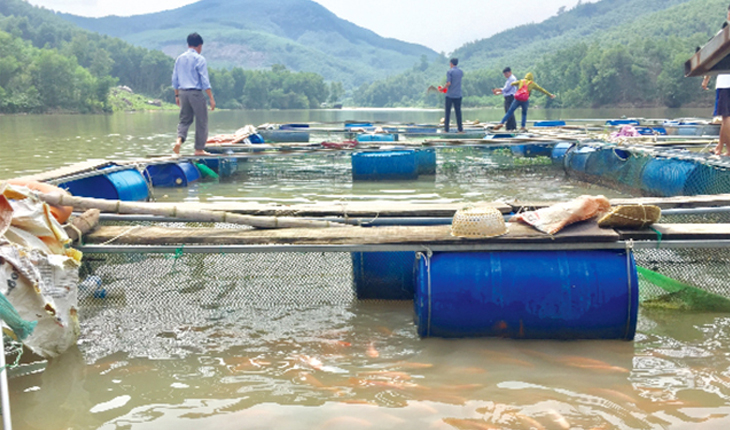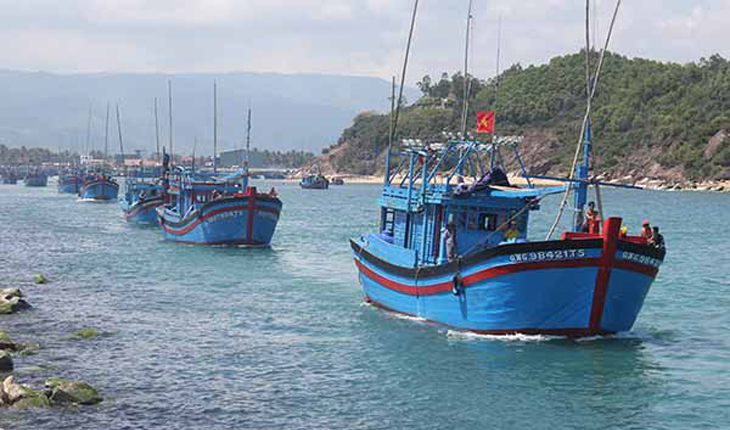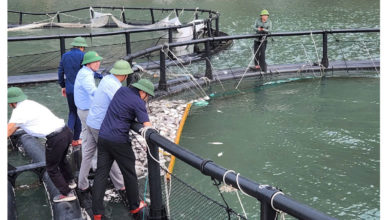

Authorities in Quang Ninh province have set up 11 temporary inspection and control points for fishing vessels at local wharves, ports and storm shelters, in a move to tighten oversight of fishing activities and strengthen enforcement against illegal, unreported and unregulated (IUU) fishing.
The checkpoints are located at key sites across the province, including Ben Giang wharf in Ha An ward; a temporary fishing landing site in Cao Xanh ward; the Cai Xa Cong anchorage and Hon Gai fishing port in Ha Tu ward; Cam Thuy anchorage in Quang Hanh ward; the Cai Rong fishing port and anchorage in Van Don special zone; Co To island anchorage; the Cai Mat river mouth in Tien Yen commune; Phuc Tien fishing port and anchorage in Dam Ha commune; Tien Toi fishing port and anchorage in Duong Hoa commune; Phu Hai anchorage in Quang Ha commune; and the Mui Ngoc–Nui Do port area in Mong Cai 1 ward.
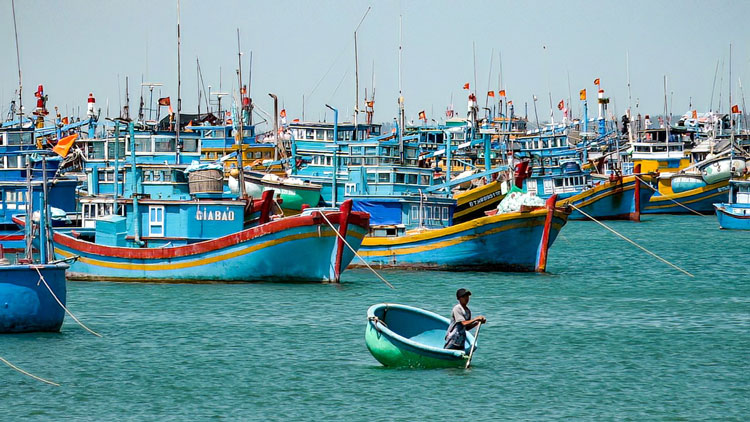
At each site, inspection teams established by commune- or ward-level authorities will be on duty around the clock to monitor vessel movements. Participating forces include local technical agencies, border guards where applicable, commune-level police and port or anchorage management units.
The teams will focus on inspecting and supervising vessels entering and leaving ports, guiding fishers to maintain catch logs and report landings, and verifying the origin of seafood through an electronic traceability system. The measures aim to improve monitoring of actual catch volumes, enhance transparency along the fishing supply chain, and promptly detect and address violations.
Inspection teams are also tasked with compiling records and storing data on vessel activities to support fisheries management and traceability requirements. The data will be integrated into the fisheries management system, vessel monitoring system and the national fisheries database.
The provincial Department of Agriculture and Environment has been assigned to provide technical guidance and oversee implementation, while local authorities hosting the checkpoints are responsible for staffing, equipment and operational conditions, and for regularly reporting results to support policy direction and enforcement.
VFM