
Smuggled sturgeon floods Vietnamese market, local farmers hit hard
A flood of low-cost, untraceable imported sturgeon, which some allegedly mislabeled as products from Lao Cai province, is disrupting Vietnam’s domestic aquaculture market and threatening the livelihoods of local fish farmers.

The Lao Cai Coldwater Fish Association has called on authorities to strengthen controls on sturgeon imports entering through northern border gates. According to the association, a large volume of imported sturgeon has been sold at prices significantly below those of domestically farmed fish, making it difficult for local producers to compete. Many farms have been forced to downsize or suspend operations due to financial losses.
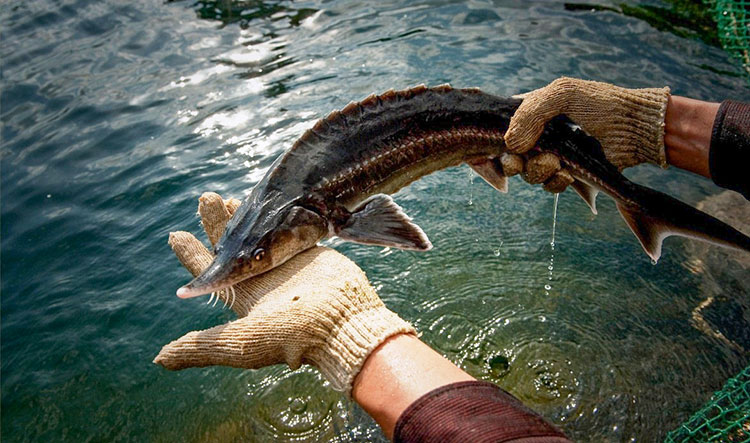
What concerns producers further is that some of these imported fish are mislabeled to appear as Lao Cai sturgeon, undermining consumer confidence and damaging the brand image that the province has been working to build. Lao Cai is promoting its coldwater fish industry through origin traceability and integrated value chains.
Over the past two decades, coldwater aquaculture, primarily sturgeon and salmon, has become a key income source for communities in northern mountainous regions and the Central Highlands.
Vietnam is currently among the top six sturgeon-producing countries worldwide. However, local stakeholders warn that the uncontrolled influx of cheap imports is destabilizing the sector.
In its petition, the association recommends mandatory quarantine procedures and clear origin traceability for all imported sturgeon. It also calls for stricter verification of import documentation, enforcement of minimum pricing policies to prevent dumping, and stronger market support for certified domestic products. Authorities are urged to boost trade promotion, facilitate supply-demand connections, and encourage distributors to prioritize Vietnamese sturgeon with verified origin.
VFM