
Vietnam’s tilapia farming under tight regulation from environment to food safety
Vietnam’s Department of Fisheries and Fisheries Surveillance has rejected claims that tilapia fillet is unsafe or toxic, affirming that the species in Vietnam is raised under rigorous standards with strict oversight from environmental conditions to food safety controls.

Strong potential
Tilapia has emerged as a promising aquaculture species in Vietnam thanks to its adaptability to tropical conditions, ease of culture, and relatively low protein requirements compared with other aquatic species, according to Dr. Nhu Van Can, Deputy Director General of the Department of Fisheries and Fisheries Surveillance under the Ministry of Agriculture and Environment. These traits have made tilapia a priority for many producing countries.
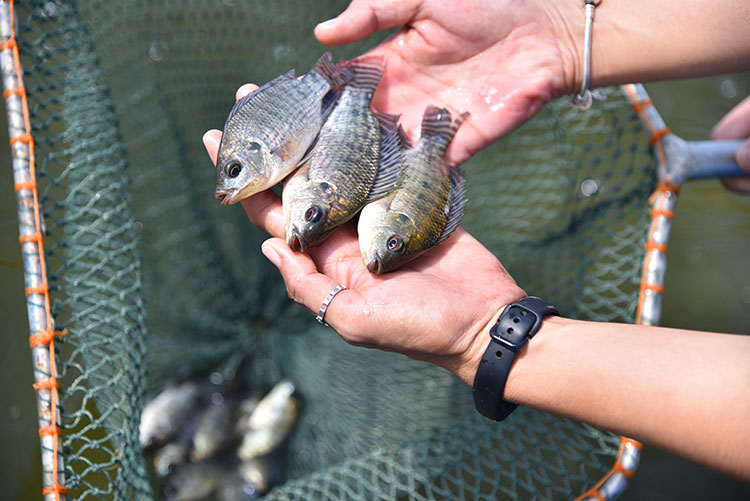
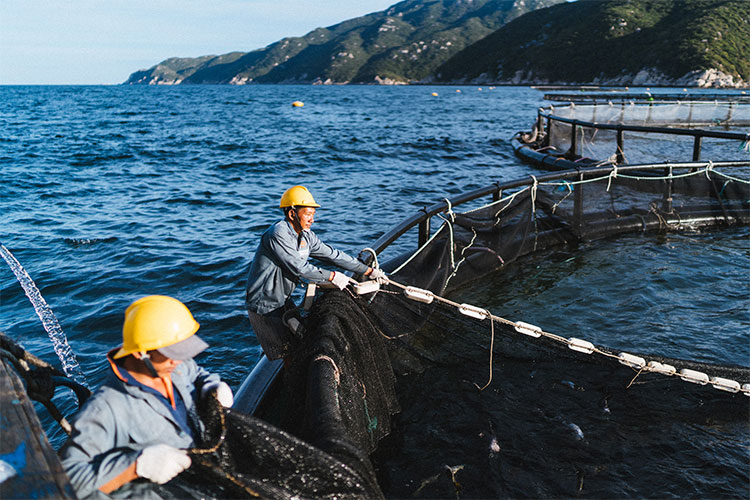
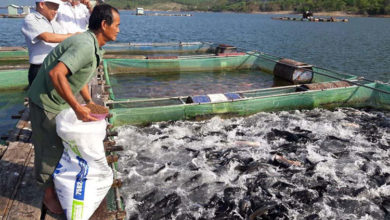
Production systems are diverse, ranging from pond and cage farming in freshwater, brackish, and marine environments. China currently leads global tilapia output, followed by Indonesia, Egypt, Brazil, Costa Rica, Thailand, and the Philippines. International breeding programmes have produced fast-growing strains with higher fillet yields. In Vietnam, research on GIFT strains and all-male tilapia since the 1990s has significantly boosted productivity. Selective breeding programmes continue at the Research Institutes for Aquaculture I and II under the national seed development plan for 2021-2030.
A clear regulatory framework
Tilapia has been included as a priority species in the Vietnam Fisheries Development Strategy to 2020 and continues to be promoted under the National Aquaculture Development Programme 2021-2030.
The farming sector is governed by a comprehensive legal framework:
- The 2017 Fisheries Law (Article 38) outlines requirements for aquaculture facilities.
- Decree 26/2019/ND-CP provides detailed regulations for pond and cage farming, as well as water and waste management.
- National standards and technical regulations apply specifically to tilapia, including QCVN 02-331:2020/BNNPTNT and TCVN 10300:2014.
- The Food Safety Law and Decree 15/2018/ND-CP stipulate commitments or certification for primary production facilities.
At the same time, the Department of Fisheries and Fisheries Surveillance operates environmental monitoring programmes in key farming zones to manage disease risks and safeguard food safety.
Opportunities and competitive pressures
Vietnam’s tilapia output is estimated at around 300,000 tonnes annually, with 220,000 tonnes produced in the first half of 2025 alone. Market conditions this year are seen as favourable, with shifts in international trade, particularly changes in US tariff policies, opening opportunities to expand exports.
The country’s tropical climate, abundant water resources, and extensive river, lake, and lagoon systems provide natural advantages. Research on saline-tolerant tilapia is also opening prospects for coastal aquaculture. However, competition from China, Thailand, and the Philippines remains intense. To enhance competitiveness, producers need to cut costs, particularly feed, which represents the largest share of production expenses. The ministry is directing research into plant-based protein sources such as soybeans to both reduce feed costs and improve feed conversion ratios.
Towards a sustainable aquaculture economy
Many companies are now investing in intensive, large-scale tilapia farming, moving the sector beyond smallholder production. Alongside the key US market, Vietnam has also shipped its first consignments of tilapia to Brazil.
The Ministry of Agriculture and Environment is steering development towards concentrated production zones, reservoir-based aquaculture, and stronger market linkages. Along with shrimp and pangasius, tilapia is being positioned as one of Vietnam’s core aquaculture species, contributing to a sustainable and globally competitive seafood economy.
VFM