
Hung Yen’s mitten crab farms go high-tech for global markets
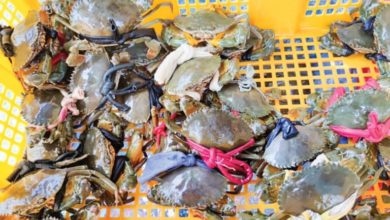
Raising just one crop per year yet exporting hundreds of tonnes of mitten crab, one of Vietnam’s most delicate and challenging aquaculture species, is no small feat. Minh Phu International JSC, based in Hung Yen province, has found success by integrating digital tools, drones, and ecological farming practices to convert production risks into multimillion-dollar export opportunities.

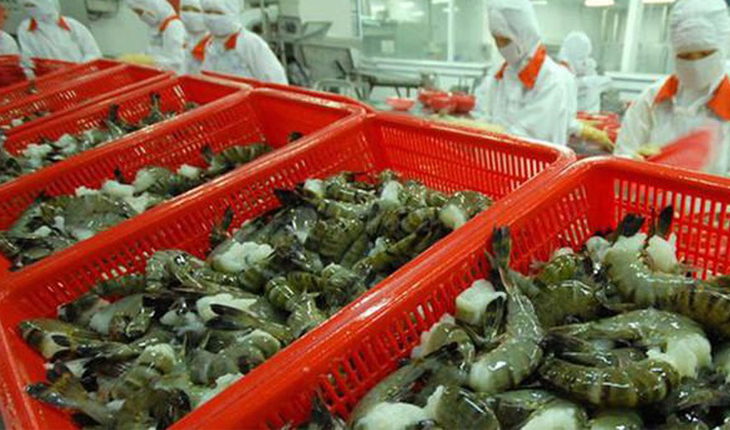
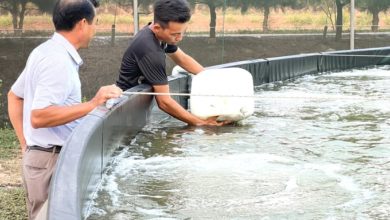
Operating against the backdrop of climate change, disease threats, and tightening import standards, Minh Phu manages more than 100 hectares of crab ponds. The company uses artificial intelligence (AI), water quality sensors, and unmanned aerial vehicles to optimise farming. AI provides real-time analysis and early warnings on pond conditions, while drones ensure uniform feed distribution, helping cut both labour and feed costs. This technology-driven approach has enabled the company to secure steady harvests in the hundreds of tonnes, with shipments going to Taiwan, Hong Kong, Singapore, and Malaysia. Some customers have placed single orders as large as 650 tonnes – a rare achievement for a notoriously difficult species to farm.
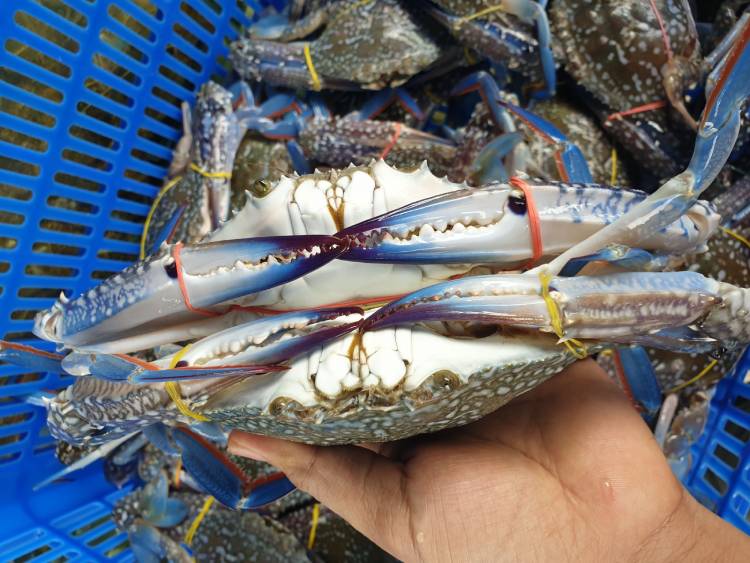
Alongside digitalisation, Minh Phu has embraced ecological practices. Aquatic plants are grown in ponds to treat waste, maintain water quality, and improve crab health, resulting in more consistent harvests. The model reduces reliance on chemicals and antibiotics, lowers production costs, and raises product value. Importantly, it aligns with circular agriculture principles and meets growing international demand for safe, traceable, and sustainable seafood.
However, scaling up remains a hurdle. Smallholder farmers still face barriers in finance, access to equipment, and technical expertise. Director Tran Van Van stresses the need for greater support from authorities, cooperatives, and financial institutions to expand access to credit, high-quality seed, training, and new technologies.
The Minh Phu case shows that digital transformation in aquaculture is no longer theoretical but operational. By combining technology, ecology, and market orientation, Vietnam’s seafood sector has the potential to boost efficiency and sustainability, in line with the country’s broader green and circular agriculture strategy.
VFM