
Ca Mau advances circular RAS-IMTA shrimp farming for sustainable aquaculture
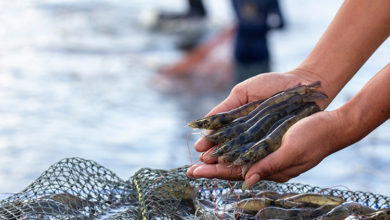
A closed-loop shrimp farming model applying RAS-IMTA technology is being piloted in Ca Mau, delivering both economic and environmental benefits while positioning local producers to meet premium export standards.

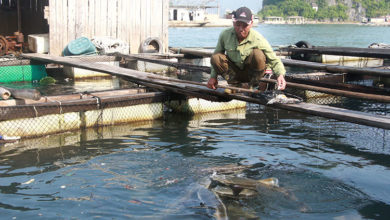
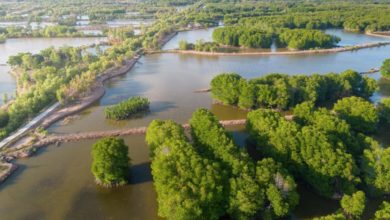
Ca Mau currently has more than 450,000 hectares of shrimp ponds, but most remain under traditional extensive and super-intensive systems that are prone to disease, pollution and poor environmental control. With global seafood markets placing increasing emphasis on biosecurity, traceability and green development, circular systems are emerging as a necessary shift.
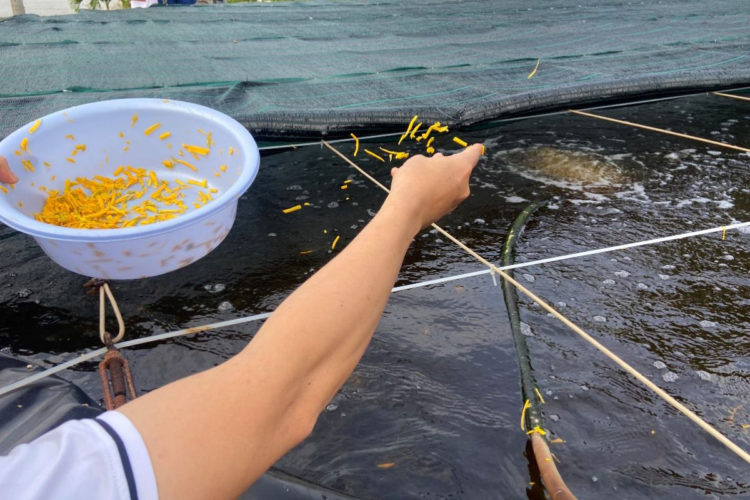
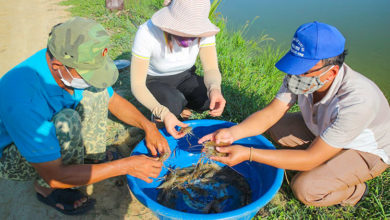
A pilot project in Dat Moi commune has shown promising results: production cycles are shortened by 15-20 days, yields are higher, costs are lower, and farmers can add an extra crop each year. Treated wastewater meets Vietnam’s QCVN 40:2011/BTNMT standards, while carbon emissions are reduced to below 5 kg CO₂ per kilo of shrimp, an important benchmark for accessing EU and US markets. Farmers report both productivity and profitability outperforming traditional earthen pond systems.
According to Ca Mau’s Department of Science and Technology, the project “Super-intensive whiteleg shrimp farming in circular systems with low water exchange and biosecurity” targets 100 hectares by 2025, with plans to expand to 1,000 hectares. The model has achieved average survival rates of 85-90%, yields of 40-50 tonnes per hectare per crop, stocking densities of 250-300 shrimp per square metre, and compliance with major certifications including ASC and BAP.
Industry players are also getting on board. De Heus Vietnam is supplying feed, providing technical support, integrating water treatment technologies, and developing farm-level emission monitoring tools to ensure transparent data and add value to Vietnamese shrimp in global markets.
With modern technology, strong corporate involvement, and strategic local direction, Ca Mau aims to scale circular shrimp farming into a national model. The initiative is viewed as a breakthrough to ease environmental pressure, boost competitiveness, and strengthen Vietnam’s shrimp brand worldwide.
VFM